
National Parks in Crime Fiction present writers with some of the most compelling and dangerous settings available to the modern thriller author. These vast wilderness areas offer complete isolation, unpredictable natural threats, and the perfect backdrop for both intimate character studies and large-scale conspiracies.
Across eighteen series and more than 150 novels, I have found that natural settings like national parks force both characters and readers into a heightened state of awareness where every shadow could hide a threat and every trail could lead to either salvation or disaster.
The Isolation Factor in National Parks Crime Fiction
Nothing strips away the comfortable illusions of modern safety like placing your protagonist fifty miles from the nearest cell tower. National parks offer writers something that urban settings simply cannot: complete disconnection from the support systems that characters typically rely upon. When your detective cannot call for backup and your victim cannot dial emergency services, every decision becomes magnified in importance.
In my Maya Thorne series, I consistently use the Australian outback’s isolation to force characters into making choices they would never face in civilization. The nearest help might be days away, and that reality changes everything about how a crime unfolds and how justice gets served.
This isolation also serves a practical narrative function. In urban crime fiction, writers must constantly explain why the protagonist does not simply call for help or leave the dangerous situation. In a national park setting, these explanations become unnecessary. The environment itself provides all the justification needed for why characters must face their challenges alone.
Natural Dangers as Plot Devices
National parks contain genuine threats that no amount of police training can fully prepare someone to handle. Flash floods, wildlife encounters, sudden weather changes, and treacherous terrain create organic obstacles that feel authentic because they are authentic.
The key is using these natural dangers as more than simple plot conveniences. Weather should reflect or contrast with the emotional state of your characters. A approaching storm can mirror rising tension, while unexpected sunshine might provide false hope before a devastating revelation. Wildlife encounters work best when they force characters to make split-second decisions that reveal their true nature under pressure.
I learned this lesson while writing about remote investigations. The environment must feel like a character in its own right, with its own agenda and motivations. Readers can sense when natural obstacles feel forced or artificial. The best action thriller novels make the setting feel inevitable rather than convenient.
Research and Authenticity Requirements
Writing convincing national park settings demands more research than most authors anticipate. Readers who actually visit these places will immediately spot inaccuracies in geography, wildlife behavior, weather patterns, and park regulations.
Understanding ranger protocols, search and rescue procedures, and jurisdictional complexities becomes essential when your plot involves law enforcement in these settings. Federal, state, and local authorities often overlap in confusing ways that can either complicate or simplify your investigation, depending on how you handle the jurisdictional maze.
The research pays off in unexpected ways. Real park procedures often suggest plot twists and complications that pure imagination might never generate. Learning how actual investigations unfold in remote areas has influenced several storylines in my series, particularly when dealing with cross-jurisdictional crimes that span multiple agencies.
Character Development Through Environmental Pressure
National park settings excel at revealing character through adversity. Urban environments allow people to maintain facades and rely on familiar comforts. Wilderness areas strip away these protective layers and expose who people really are when everything familiar disappears.
Physical exhaustion, fear, and disorientation create conditions where characters cannot maintain their usual psychological defenses. A corrupt official might reveal their true nature when faced with a life-threatening situation where money and influence provide no protection. A seemingly weak character might discover reserves of strength when survival depends on their actions.
In my experience writing police procedural novels, these environmental pressures work particularly well for developing relationships between investigation partners. Shared hardship either strengthens bonds or reveals fundamental incompatibilities that might never surface during routine urban casework.
Common Mistakes When Writing National Parks Crime Fiction
The biggest error authors make is treating national parks as generic wilderness. Each park has distinct characteristics, regulations, and challenges that differentiate it from every other protected area. Yellowstone operates differently from Yosemite, and Australian national parks follow completely different rules from American ones.
Another frequent mistake involves overestimating what characters can realistically accomplish in harsh conditions. Unless your protagonist has specific outdoor experience, they should struggle with basic survival tasks. A detective accustomed to urban investigations will not automatically know how to navigate by stars or purify water from natural sources.
Many writers also underestimate the physical toll that outdoor investigations exact on characters. Hiking twenty miles while carrying equipment and interviewing witnesses demands enormous physical conditioning. Your characters should feel exhausted, sore, and mentally drained by these demands unless you have established their exceptional fitness levels early in the story.
Finally, resist the temptation to have technology work when the plot demands it. Cell phones, GPS devices, and vehicles frequently fail in remote areas. These failures should feel organic rather than convenient, arising from realistic environmental conditions rather than authorial manipulation.
Conclusion
National parks provide crime writers with settings that naturally generate tension, isolation, and authentic danger. The key lies in respecting both the environment and your readers enough to research thoroughly and write honestly about what these places actually demand from the people who enter them.
About Phillip Strang
Phillip Strang is an Australian crime and thriller novelist. Across eighteen series and more than 150 novels, his work spans London police procedurals (DCI Isaac Cook), UK investigations (DI Tremayne), Australian outback crime (Maya Thorne), FBI thrillers (Alex Harlan), Scottish Highland mysteries (DI Sarah Lynch), and espionage (Steve Case). Learn more about Phillip or browse his complete catalogue on Amazon.
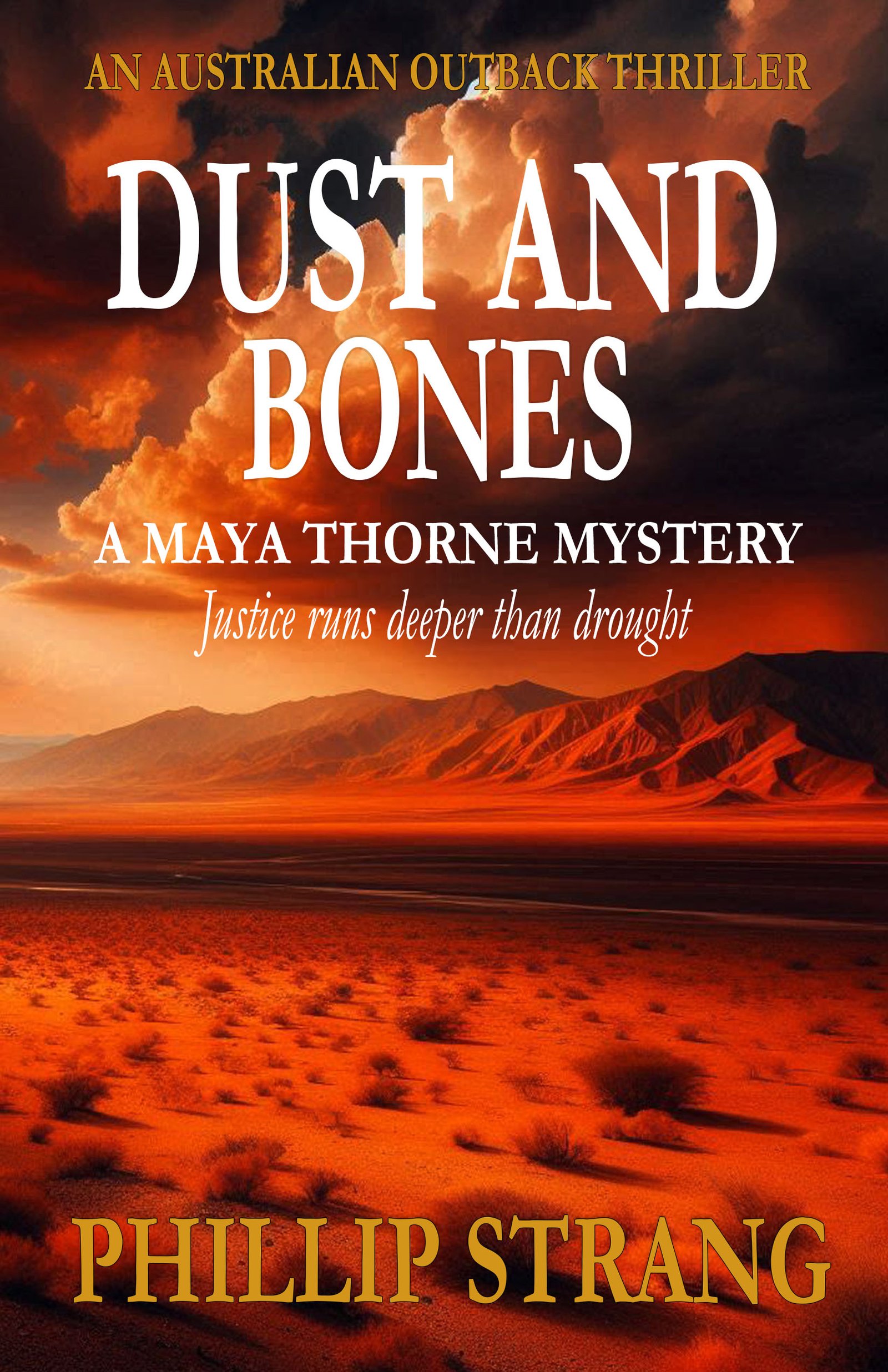
A MAYA THORNE MYSTERY
Get Dust and Bones Free
Justice runs deeper than drought.
Red dust. Shallow graves. A detective who hunts killers where the law runs thin and the nearest help is two hundred miles away.
Send Me the BookYou'll also receive occasional new release emails. Unsubscribe anytime. No spam, ever.
As an Amazon Associate, Phillip Strang earns from qualifying purchases. This page contains affiliate links — buying through them costs you nothing extra.