
Building an effective advance review copy team isn’t about collecting hundreds of email addresses and hoping for the best. It’s about cultivating genuine relationships with readers who understand your subgenre and will engage meaningfully with your work before launch day.
Across eighteen series and more than 150 novels, I’ve learned that a well-managed ARC team of fifty committed reviewers will outperform a scattered list of three hundred inactive addresses every time. The difference lies not in the numbers but in the quality of engagement and the strategic timing of deployment.
The Foundation: Quality Over Quantity
Most crime writers approach ARC recruitment backwards. They cast wide nets hoping to snare anyone willing to read free books, then wonder why their review rates hover around fifteen percent. The smarter approach starts with identifying readers already engaged with your specific subgenre.
When I launched my DI Sarah Lynch series, I specifically sought readers who gravitated toward Scottish Highland settings and appreciated procedural elements over cozy mysteries. This targeted approach meant higher engagement rates and more relevant reviews that actually helped potential buyers understand what they were getting.
Your ideal ARC team member reads crime fiction regularly, leaves thoughtful reviews on multiple platforms, and demonstrates reliability in their reviewing history. Look for reviewers who engage with police procedural novels if that’s your genre, or seek out those who appreciate the complexities of espionage thrillers if you’re working in that space.
Recruitment That Actually Works
The most effective ARC team members come through three primary channels: existing readers who’ve already purchased your books, engaged social media followers, and strategic partnerships with book bloggers who cover your genre consistently.
I’ve found the highest conversion rates come from approaching readers who’ve already left reviews on previous books in a series. These individuals have demonstrated both interest in your work and commitment to reviewing. When reaching out, be specific about expectations and timelines rather than vague about hoping they’ll enjoy the book.
Book bloggers require a different approach entirely. Research their recent reviews, understand their posting schedule, and pitch them professionally with clear information about your book’s unique elements within the genre. A blogger who regularly covers espionage thrillers will be more receptive to your Steve Case novel than someone who primarily reads cozy mysteries.
My Actual ARC Management System
Every ARC campaign I run follows the same structure, refined through years of trial and considerable error. I send books six weeks before publication, with a clear but not demanding reminder at three weeks, and a final gentle nudge one week before launch.
The initial email includes the book file, a brief synopsis, publication date, and explicit mention that reviews are welcomed but not required. This last point matters more than most authors realize. Pressure creates resentment, and resentment rarely produces authentic positive reviews.
I track everything in a simple spreadsheet: reviewer name, email, date sent, review received date, and platforms where they posted. This isn’t about micromanagement but about understanding which team members consistently deliver and recognizing patterns in response rates.
For my Isaac Cook series, I’ve developed relationships with reviewers who particularly appreciate London-based procedurals. These readers receive priority access to new releases because their reviews consistently provide value both to me as feedback and to potential readers as guidance.
Avoiding the Common Disasters
The fastest way to destroy an ARC program is treating reviewers like a marketing department rather than genuine readers. Sending follow-up emails asking about review timing, suggesting specific star ratings, or requesting reviews be posted on particular dates transforms willing participants into reluctant ones.
Another critical mistake involves sending ARCs to reviewers who clearly don’t read your genre. A reviewer who exclusively covers urban fantasy will struggle to appreciate the nuances of a traditional British police procedural, resulting in reviews that miss the mark entirely or, worse, negative reviews based on unmet genre expectations.
Quality control matters tremendously. Sending poorly edited advance copies reflects badly on your professionalism and can result in reviews that focus on technical issues rather than story elements. I always ensure my ARCs receive the same editing attention as the final publication, even if minor formatting differences exist.
The temptation to argue with or respond to negative ARC reviews destroys relationships faster than anything else. Professional authors understand that not every book resonates with every reader, even within their target audience. Gracious acceptance of feedback, whether positive or constructive, maintains relationships for future releases.
Platform Strategy and Review Distribution
Different platforms serve different purposes in your overall marketing strategy, and your ARC team should reflect this reality. Amazon reviews carry significant weight for discoverability, but Goodreads reviews often provide more detailed feedback that helps with craft development.
I encourage but never require ARC team members to post on multiple platforms. Some reviewers naturally cross-post their reviews, while others prefer focusing their efforts on single platforms where they’ve built followings. Both approaches provide value.
BookBub follows, NetGalley reviews, and social media mentions all contribute to pre-launch momentum, but expecting every team member to engage across all platforms creates unrealistic expectations. Better to have twenty committed reviewers who consistently post thoughtful reviews on their preferred platforms than fifty who sporadically engage across multiple sites.
Timing coordination becomes crucial as publication approaches. Reviews appearing too early can be forgotten by launch day, while reviews posted too late miss the initial sales momentum window. I’ve learned to stagger ARC distribution slightly, sending to more reliable reviewers first and following up with newer team members closer to publication.
Conclusion
Effective ARC team management requires treating reviewers as partners in the publishing process rather than free marketing labor. Focus on building genuine relationships with readers who appreciate your specific approach to crime fiction, maintain professional standards throughout your interactions, and remember that authentic engagement always outperforms manufactured enthusiasm.
About Phillip Strang
Phillip Strang is an Australian crime and thriller novelist. Across eighteen series and more than 150 novels, his work spans London police procedurals (DCI Isaac Cook), UK investigations (DI Tremayne), Australian outback crime (Maya Thorne), FBI thrillers (Alex Harlan), Scottish Highland mysteries (DI Sarah Lynch), and espionage (Steve Case). Learn more about Phillip or browse his complete catalogue on Amazon.
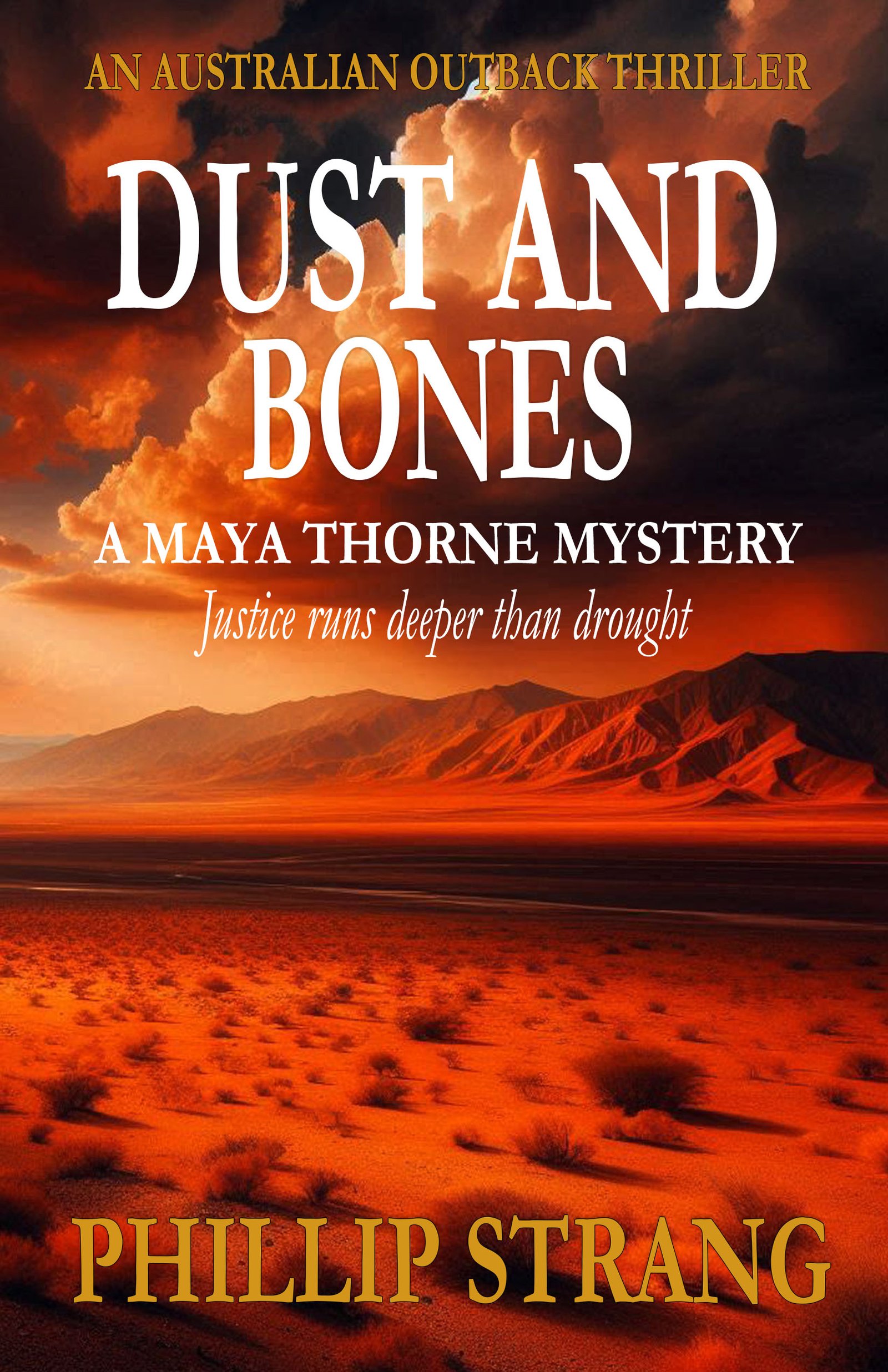
A MAYA THORNE MYSTERY
Get Dust and Bones Free
Justice runs deeper than drought.
Red dust. Shallow graves. A detective who hunts killers where the law runs thin and the nearest help is two hundred miles away.
Send Me the BookYou'll also receive occasional new release emails. Unsubscribe anytime. No spam, ever.
As an Amazon Associate, Phillip Strang earns from qualifying purchases. This page contains affiliate links — buying through them costs you nothing extra.