
The decision to bundle your crime novels into box sets isn’t about convenience—it’s about reader psychology and commercial timing. Too early, and you’re undercutting individual book sales; too late, and you’ve missed the momentum that drives series addiction. The sweet spot lies in understanding when your series has enough gravitational pull to warrant the bundle approach.
Across eighteen series and more than 150 novels, I’ve found that box sets work best when they solve a specific problem for both author and reader. They’re not simply a way to package existing content—they’re a strategic tool that can either accelerate series discovery or serve as a reward for established readership. The key is knowing which purpose you’re serving and timing it accordingly.
The Three-Book Threshold: Why It Matters
Three books represent the minimum viable series in crime fiction. By the third installment, you’ve established character arcs, proven you can sustain a premise, and given readers enough investment to feel they’re part of something larger. This is when police procedural novels particularly benefit from bundling—the procedural format creates natural entry points while the character development provides continuity rewards.
With my DCI Isaac Cook series, I waited until the fourth book was published before releasing the first three as a bundle. This timing served dual purposes: new readers could commit to the series at a lower per-book cost, while I maintained full-price sales on the latest release. The bundle became a loss leader that fed into ongoing individual sales rather than cannibalizing them.
However, three books also represent a danger zone. Bundle too aggressively at this stage, and you risk training readers to wait for bundles rather than purchasing individual releases. The solution lies in strategic pricing and clear communication about bundle frequency.
Series Versus Standalone: Different Bundle Strategies
Series-driven bundles work differently than thematic collections of standalone novels. Series bundles capitalize on narrative momentum—readers who finish book one immediately want book two. Standalone bundles rely on thematic coherence or author brand recognition to drive appeal.
For series like Maya Thorne, where each book builds on previous character development and ongoing mysteries, the bundle approach accelerates reader investment. Readers don’t have to make multiple purchase decisions; they can commit once and read through the arc. This works particularly well for action thriller novels where momentum is crucial to reader satisfaction.
Standalone bundles require different positioning. Here, you’re selling variety within expertise—multiple complete stories that showcase your range within crime fiction. The appeal isn’t narrative continuation but demonstration of consistent quality across different scenarios and characters.
How I Actually Approach Bundle Timing
My bundle strategy follows a simple rule: never bundle until the series has proven independent viability. Each DI Tremayne book needed to perform well individually before I considered packaging them together. This approach protects against the bundle becoming a desperation move when individual sales lag.
I track individual book performance across the first 90 days post-release. Strong individual sales indicate reader appetite for more content, making bundles a logical next step. Weak individual sales suggest problems with premise, execution, or market positioning that bundling won’t solve and might actually compound.
The practical process involves monitoring reader reviews for bundle requests. When readers start asking where they can get the whole series, that’s market validation for bundle viability. I’ve learned to treat these requests as data rather than just customer service issues—they’re indicating purchase intent that bundling can capture.
Timing releases around seasonal patterns also matters. I’ve found that bundles perform better during reading-heavy periods—summer holidays, winter breaks—when readers want bulk entertainment rather than single experiences. This seasonal approach has consistently delivered better bundle performance than random release timing.
Common Mistakes That Kill Bundle Success
The biggest mistake is bundling weak individual books hoping the package will hide individual flaws. If your second book in a trilogy received poor reviews for pacing issues, bundling won’t magically fix those pacing issues—it will amplify them by trapping readers who’ve already committed to the bundle. Poor middle books destroy bundle satisfaction more effectively than they destroy individual sales because bundle buyers feel deceived about the overall value.
Pricing bundles too close to individual book prices represents another common error. A three-book bundle priced at 80% of individual book total doesn’t provide sufficient value perception to justify the commitment. I’ve seen authors price bundles at essentially full retail, which eliminates the primary consumer benefit of bundling while maintaining all the consumer risk.
Over-bundling creates market confusion and reader frustration. Releasing multiple overlapping bundles—a first trilogy, then books 2-4, then books 1-5—trains readers to wait for the ‘complete’ bundle while creating decision paralysis. Clear, non-overlapping bundle strategies respect reader intelligence and purchasing decisions.
Marketing bundles identically to individual books misses the fundamental difference in buyer psychology. Bundle buyers want series commitment validation, not individual book selling points. They need to understand why these specific books belong together and what reading experience the complete package delivers. Simply listing individual book descriptions doesn’t answer the bundle-specific value question.
Advanced Bundle Strategies for Established Series
Once a series extends beyond five books, bundle strategy becomes more sophisticated. Early series bundles can coexist with later series bundles, creating multiple entry points for different reader commitment levels. The key lies in clear positioning: early bundles as series introductions, later bundles as deep-dive experiences for committed readers.
Cross-series bundling works when thematic connections justify the combination. My espionage thrillers share enough common ground that readers interested in one series often appreciate others, making curated cross-series bundles viable. However, this approach requires careful selection—forcing connections between dissimilar series destroys the thematic coherence that makes bundles work.
Limited-time bundle releases create urgency without disrupting ongoing individual sales. Seasonal bundles, anniversary bundles, or milestone bundles can generate revenue spikes while maintaining the scarcity perception that protects individual book pricing. The key lies in genuine limited availability rather than artificial scarcity that readers learn to ignore.
Conclusion
Box sets in crime fiction work when they serve reader needs rather than author convenience. The decision to bundle should emerge from series success, not compensate for individual book failure. Timing, pricing, and positioning determine whether bundles accelerate series growth or cannibalize individual sales.
About Phillip Strang
Phillip Strang is an Australian crime and thriller novelist. Across eighteen series and more than 150 novels, his work spans London police procedurals (DCI Isaac Cook), UK investigations (DI Tremayne), Australian outback crime (Maya Thorne), FBI thrillers (Alex Harlan), Scottish Highland mysteries (DI Sarah Lynch), and espionage (Steve Case). Learn more about Phillip or browse his complete catalogue on Amazon.
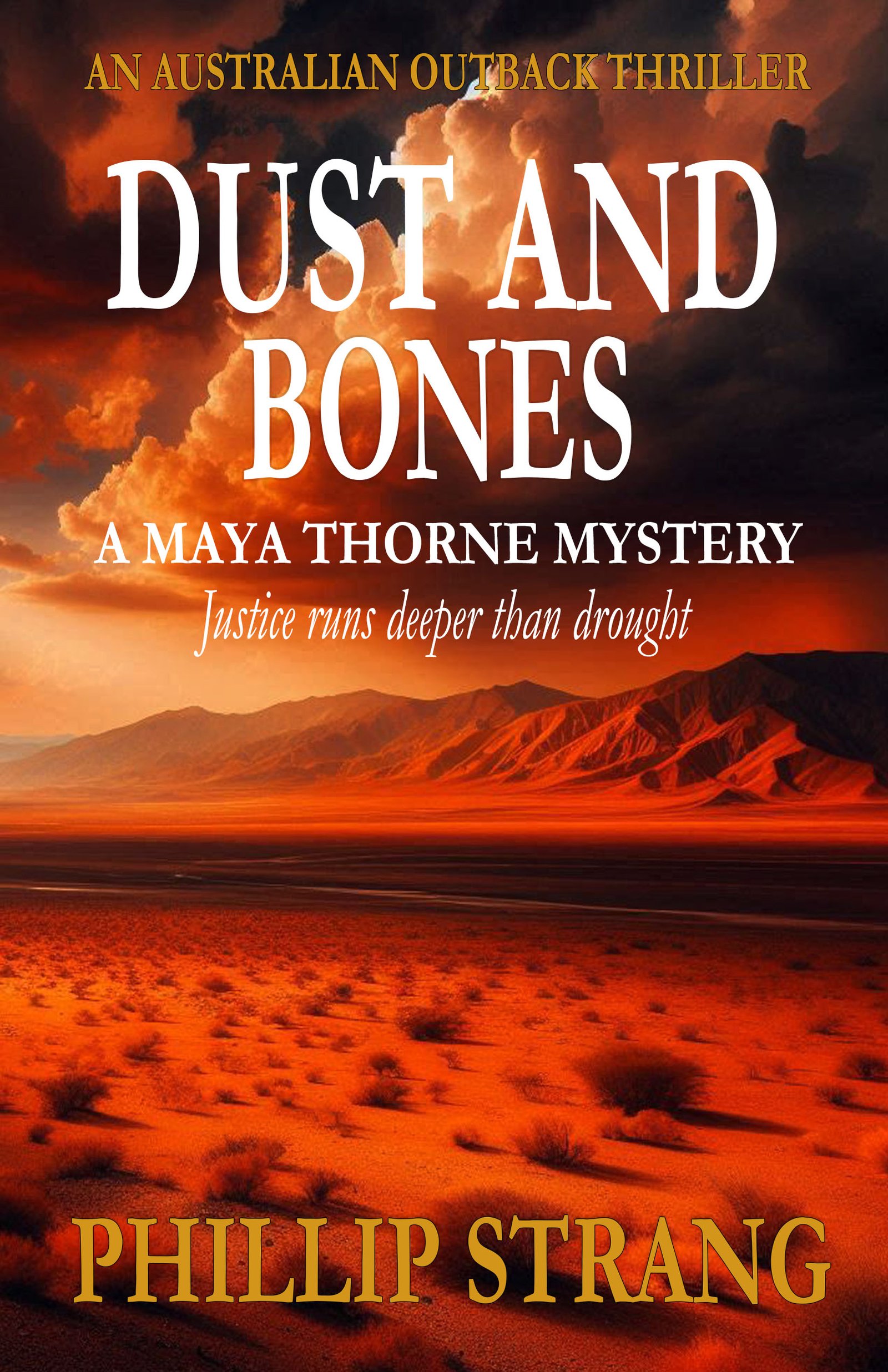
A MAYA THORNE MYSTERY
Get Dust and Bones Free
Justice runs deeper than drought.
Red dust. Shallow graves. A detective who hunts killers where the law runs thin and the nearest help is two hundred miles away.
Send Me the BookYou'll also receive occasional new release emails. Unsubscribe anytime. No spam, ever.
As an Amazon Associate, Phillip Strang earns from qualifying purchases. This page contains affiliate links — buying through them costs you nothing extra.