
Gentrification in Crime Fiction offers writers a loaded weapon they rarely know how to fire properly. The transformation of neighborhoods from working-class to upscale doesn’t just change real estate prices—it fractures communities, displaces loyalties, and creates the kind of simmering resentment that makes for compelling murder motives.
Across eighteen series and more than 150 novels, I’ve found that most crime writers treat gentrification as window dressing rather than the seismic social force it actually is. They’ll mention the new coffee shops and rising rents, then ignore the deeper currents of displacement and cultural erasure that generate the real conflicts worth exploring.
The False Promise of Easy Antagonists
Too many writers approach gentrification by casting developers as cartoon villains and longtime residents as noble victims. This binary thinking produces flat stories because real gentrification operates through gray zones of complicity and compromise. The corner shop owner who sells to a chain store isn’t evil—he’s facing bankruptcy from rising property taxes. The young professional moving into the affordable apartment isn’t a colonizer—she’s trying to live within her means.
In my DCI Isaac Cook series, I’ve explored how London’s changing neighborhoods create conflicts that can’t be resolved with simple justice. When longtime residents become suspects in crimes against newcomers, the investigation forces everyone to confront uncomfortable questions about belonging and change. The tension comes from understanding all sides, not demonizing any of them.
Character Displacement as Story Engine
The most powerful aspect of gentrification for crime writers isn’t the politics—it’s the personal displacement. Characters who’ve lived somewhere for decades suddenly find themselves strangers in their own neighborhood. This psychological displacement creates internal conflicts that drive compelling character arcs.
Your detective might patrol streets where every familiar landmark has been replaced by something sterile and expensive. Your victim might be someone caught between worlds, successful enough to afford the new neighborhood but never quite accepted by it. Your killer might be acting from a sense of loss so profound it feels like grief. These emotional stakes matter more than any social commentary you might want to make.
The key is showing how physical changes to place create changes in identity. When the barbershop where three generations of men got their hair cut becomes a boutique selling hundred-dollar candles, something dies that goes deeper than nostalgia. Smart crime writers mine that sense of cultural death for story material.
Writing Gentrification in Crime Fiction Without Preaching
The biggest mistake I see writers make is turning their crime novel into a sociology lecture. Gentrification becomes the real story, with the murder investigation serving as a thin excuse to explore housing policy and cultural appropriation. This approach kills narrative momentum and alienates readers who came for a mystery, not a manifesto.
Instead, let the social issues emerge through character actions and investigation details. Show us the victim’s eviction notice tucked in a kitchen drawer. Have your detective interview witnesses in a community center that’s scheduled for demolition. Let the killer’s motive grow from personal loss rather than abstract political anger.
In my experience writing police procedurals, the most effective social commentary comes from characters making difficult choices under pressure. The detective who grew up in the neighborhood but can no longer afford to live there faces conflicts that reveal the human cost of change without requiring editorial explanation.
The Geography of Class Conflict
Gentrification creates physical boundaries that smart crime writers can exploit for dramatic tension. The gentrified blocks and the unchanged blocks often exist side by side, creating a geography of class conflict that affects everything from witness cooperation to suspect alibis.
Your crime scene might sit on the borderline between the renovated and unrenovated areas, forcing characters to cross invisible but meaningful boundaries during the investigation. The wealthy newcomer who ventures into the unchanged blocks for drugs or other illegal services becomes vulnerable in ways that create story opportunities. The longtime resident who works in the gentrified area might have access to both worlds that makes them valuable as a witness or dangerous as a killer.
This geographic division also affects police work in ways worth exploring. Different blocks might have completely different relationships with law enforcement, creating challenges for investigators trying to build trust and gather information. The tactical considerations of operating in a neighborhood where half the residents call the police for every suspicious person while the other half won’t talk to cops at all adds layers of complexity to any investigation.
Economic Motives Beyond the Obvious
While gentrification creates clear financial pressures, the best crime stories dig deeper than landlord-tenant disputes and property speculation. The economic disruption touches every aspect of community life in ways that generate unexpected motives for violence.
Consider the small business owner whose customer base has completely changed, forcing them to choose between serving their old community or adapting to new demographics. The teenager whose family has been displaced but who still attends school in the gentrified area experiences daily reminders of what they’ve lost. The service worker who commutes hours each day to work in their former neighborhood might develop resentments that have nothing to do with traditional class anger.
When I developed cases for my Maya Thorne series set in changing Australian communities, I found the most compelling motives came from characters whose entire sense of purpose had been undermined by demographic change. The community leader whose constituency has vanished, the street-level dealer whose territory has been disrupted by increased police presence, the elderly resident whose informal support network has scattered—these characters face existential threats that can justify extreme actions.
Avoiding the Poverty Tourism Trap
Crime writers working with gentrification themes risk falling into poverty tourism—exploiting the struggles of displaced communities for dramatic effect while treating the characters as props rather than people. This happens when writers focus on the most extreme examples of displacement while ignoring the complex ways real people adapt to change.
The homeless encampment isn’t just colorful background for your crime scene—the people living there have histories, relationships, and survival strategies worth understanding. The bodega owner facing eviction isn’t just a symbol of cultural loss—they’re making daily decisions about how to keep their business alive. When you reduce these characters to their struggles, you miss the human complexity that makes for compelling crime fiction.
Successful character-driven crime novels treat every character as the protagonist of their own story, even when their role in your plot is small. The key is research that goes beyond news articles and documentary films to understand how people actually live in changing communities. Talk to small business owners, longtime residents, recent arrivals, community organizers, and local police. Their perspectives will give you the specific details that make fictional characters feel real.
Conclusion
Gentrification works in crime fiction when it serves story rather than dominating it. The social forces create character conflicts, investigation challenges, and motive opportunities that enhance rather than overwhelm your mystery. Use the human impact of neighborhood change to drive your plot, but remember that readers came for a crime story, not a urban planning seminar.
About Phillip Strang
Phillip Strang is an Australian crime and thriller novelist. Across eighteen series and more than 150 novels, his work spans London police procedurals (DCI Isaac Cook), UK investigations (DI Tremayne), Australian outback crime (Maya Thorne), FBI thrillers (Alex Harlan), Scottish Highland mysteries (DI Sarah Lynch), and espionage (Steve Case). Learn more about Phillip or browse his complete catalogue on Amazon.
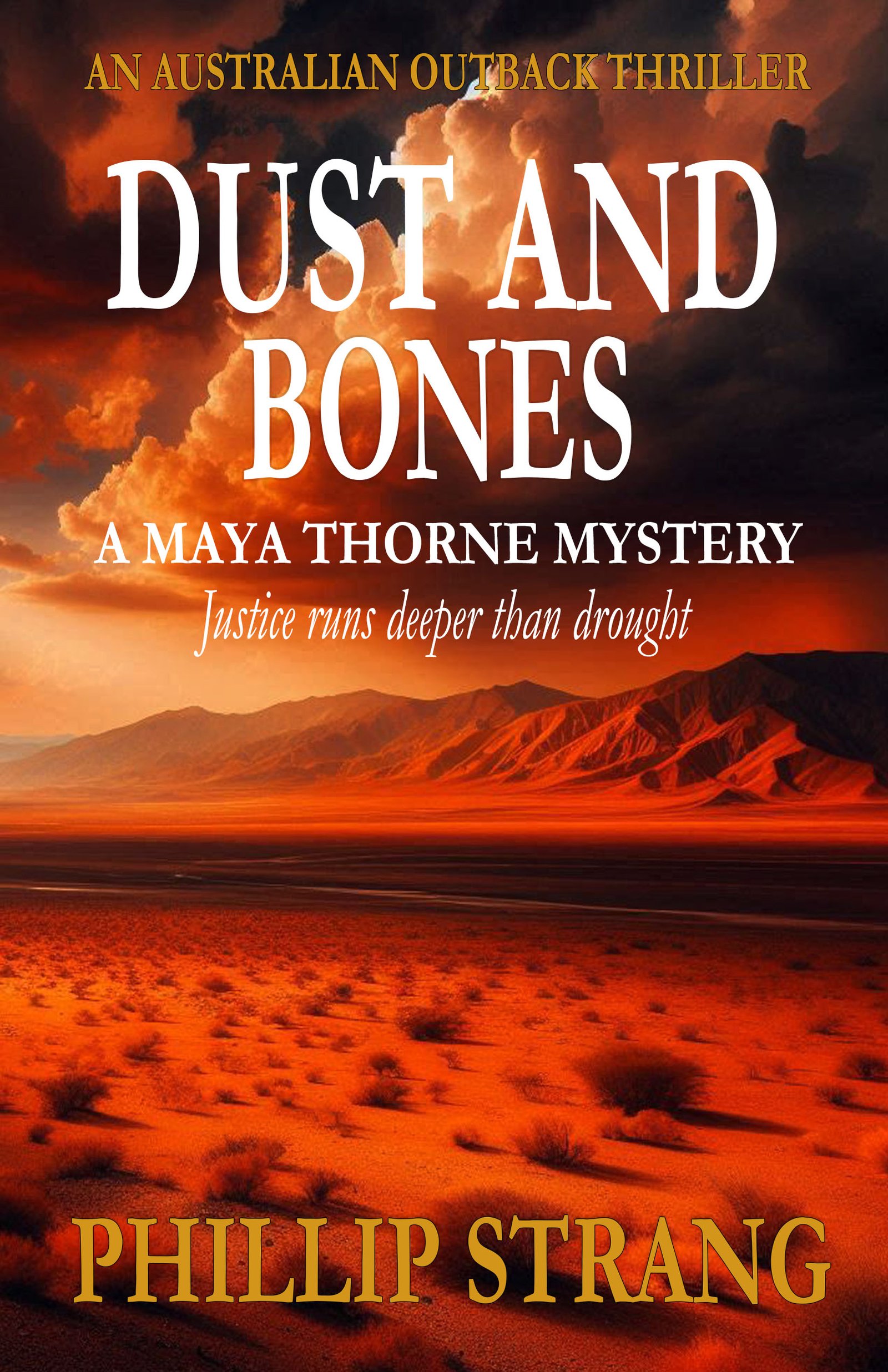
A MAYA THORNE MYSTERY
Get Dust and Bones Free
Justice runs deeper than drought.
Red dust. Shallow graves. A detective who hunts killers where the law runs thin and the nearest help is two hundred miles away.
Send Me the BookYou'll also receive occasional new release emails. Unsubscribe anytime. No spam, ever.
As an Amazon Associate, Phillip Strang earns from qualifying purchases. This page contains affiliate links — buying through them costs you nothing extra.