
The decision between Amazon exclusivity and wide distribution isn’t just about where you sell books—it’s about fundamentally different approaches to building a crime fiction career. Amazon’s KDP Select program offers immediate benefits through Kindle Unlimited reads and promotional tools, while going wide provides diversified income streams and reduced platform dependency.
Across eighteen series and more than 150 novels, I’ve tested both strategies extensively, and the choice isn’t as straightforward as most publishing advice suggests. The optimal approach depends on your series length, reader demographics, and long-term career goals.
The Amazon Exclusive Advantage: Immediate Gratification with Hidden Costs
KDP Select delivers three primary benefits that can accelerate early career growth. Kindle Unlimited page reads often generate more revenue than direct sales for newer authors, particularly in crime fiction where readers devour entire series. The promotional tools—Kindle Countdown Deals and Free Book Promotions—provide visibility boosts that independent authors struggle to achieve elsewhere.
Most significantly, Amazon’s algorithm favors exclusive titles. When I launched my DCI Isaac Cook series through KDP Select, the algorithmic boost helped establish the series faster than my wide releases. The also-bought recommendations and increased visibility in search results created momentum that translated into sustained readership.
However, exclusivity creates dangerous dependencies. Amazon controls your entire income stream, and algorithm changes can devastate earnings overnight. The psychological comfort of KU page reads can mask the reality that you’re building someone else’s subscription service rather than your own reader base.
Wide Distribution: Building a Sustainable Author Business
Going wide means accepting slower initial growth in exchange for diversified revenue and reduced platform risk. Apple Books, Barnes & Noble, Kobo, and smaller retailers each serve distinct reader populations, and crime fiction performs particularly well across international markets.
The financial mathematics of wide distribution favor established authors with multiple series. While individual platform earnings may seem modest compared to Amazon’s volume, the combined income from five or six retailers often exceeds exclusive earnings. More importantly, wide distribution insulates you from single-platform disruptions.
My experience with the Maya Thorne series illustrates this principle. Initially exclusive to Amazon, the series performed well in KU but struggled to build international readership. After going wide, international sales—particularly through Kobo and Apple Books—now represent forty percent of the series revenue, income that would have been impossible under exclusivity.
How I Actually Make This Decision
My approach has evolved into a hybrid strategy that maximizes both platforms’ strengths. New series launch exclusively on Amazon for the first three to six months, leveraging KDP Select’s promotional tools to establish market presence and gather initial reader feedback.
Once a series demonstrates viability—typically after the third book—I transition to wide distribution. This timing allows Amazon’s algorithm to establish the series while providing enough content to make wide distribution worthwhile. Three books create sufficient back-catalog for effective cross-promotion across multiple platforms.
For established series like DI Tremayne, I maintain wide distribution permanently. The series has built readership across multiple platforms, and the diversified income stream outweighs any benefits of returning to exclusivity. However, I still use Amazon’s promotional tools strategically, running targeted campaigns that drive readers to the entire series across all platforms.
Reader Behavior Patterns in Crime Fiction
Crime fiction readers exhibit specific consumption patterns that influence the exclusivity decision. Series readers often binge entire catalogs, making KU extremely attractive for discovery. A reader who finds your series through KU can consume ten books for their monthly subscription fee, generating substantial page read revenue.
However, crime fiction also attracts international readers and library users who prefer purchasing individual titles. These readers rarely use KU but represent significant long-term value. Police procedural series particularly benefit from wide distribution because the format appeals to traditional mystery readers who prefer ownership over subscription access.
Geographic considerations matter significantly. KU penetration varies dramatically by country, and some of the strongest crime fiction markets—including Germany and France—show preference for non-Amazon platforms. Authors focusing solely on Amazon miss these lucrative international opportunities.
Common Strategic Mistakes That Damage Both Approaches
The most damaging mistake is switching strategies too frequently. Authors who bounce between exclusive and wide every few months lose momentum on all platforms. Platform algorithms reward consistency, and constant switching confuses both systems and readers.
Another critical error involves treating wide distribution as simply uploading to multiple retailers. Successful wide distribution requires platform-specific optimization. Apple Books favors different cover styles than Amazon, Kobo readers respond to different promotional approaches, and Barnes & Noble’s discovery mechanisms operate differently. Authors who simply mirror their Amazon approach across all platforms miss significant opportunities.
Many authors also misunderstand KU economics, focusing solely on page reads while ignoring the broader impact on their author business. Action thriller authors particularly fall into this trap, optimizing for immediate KU revenue while neglecting long-term audience building. KU readers belong to Amazon, not to you, and building a sustainable career requires developing direct reader relationships.
Finally, authors frequently make exclusivity decisions based on fear rather than data. The comfort of Amazon’s familiar dashboard and immediate KU payments can overshadow the strategic benefits of diversification. Conversely, some authors go wide prematurely, before building sufficient audience to make multi-platform distribution worthwhile.
Conclusion
The choice between Amazon exclusivity and wide distribution isn’t permanent or universal. Successful crime fiction authors adapt their strategy based on series maturity, audience development, and career stage. The key lies in understanding each approach’s genuine benefits rather than following generic publishing advice that ignores your specific circumstances and goals.
About Phillip Strang
Phillip Strang is an Australian crime and thriller novelist. Across eighteen series and more than 150 novels, his work spans London police procedurals (DCI Isaac Cook), UK investigations (DI Tremayne), Australian outback crime (Maya Thorne), FBI thrillers (Alex Harlan), Scottish Highland mysteries (DI Sarah Lynch), and espionage (Steve Case). Learn more about Phillip or browse his complete catalogue on Amazon.
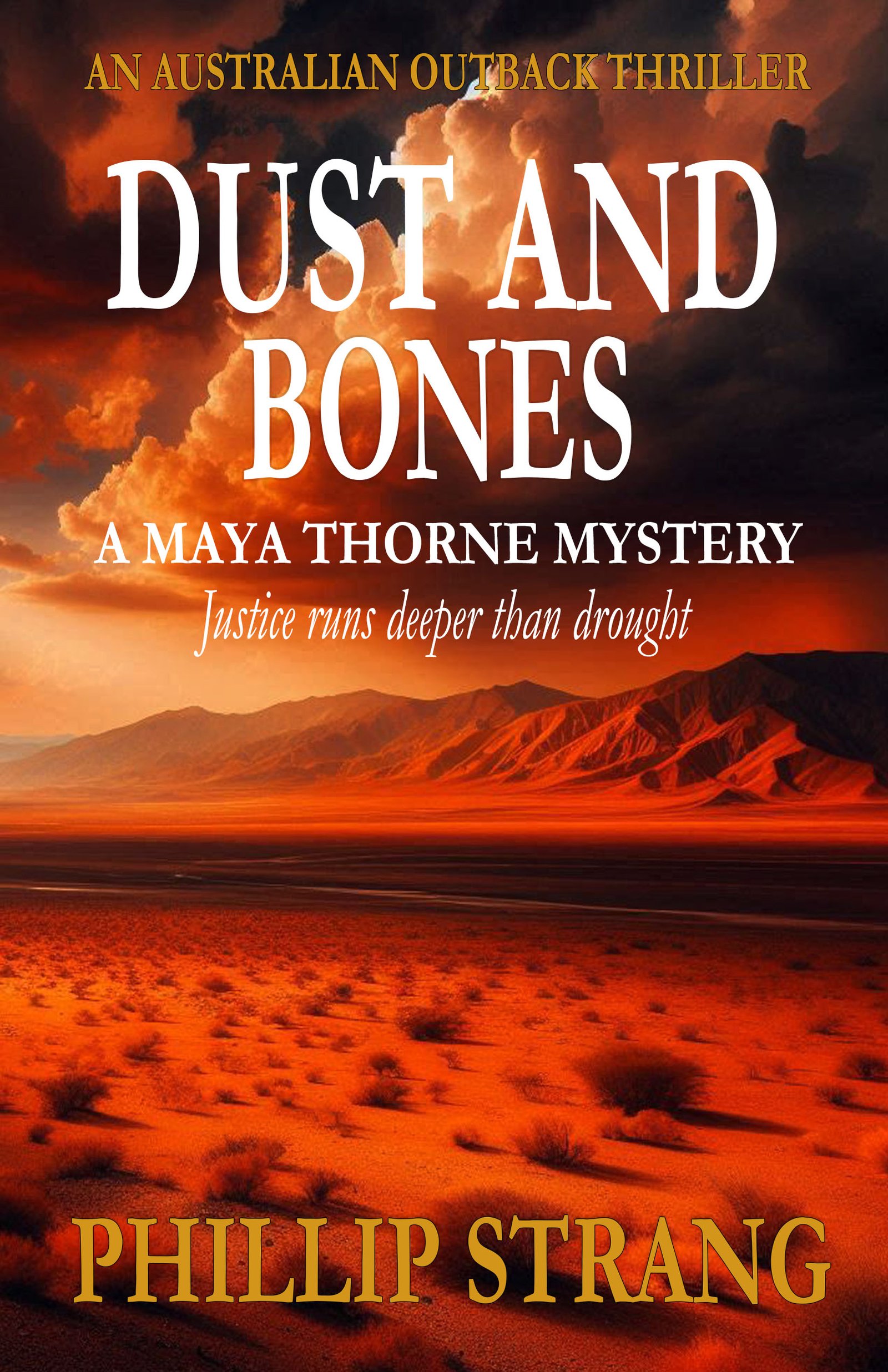
A MAYA THORNE MYSTERY
Get Dust and Bones Free
Justice runs deeper than drought.
Red dust. Shallow graves. A detective who hunts killers where the law runs thin and the nearest help is two hundred miles away.
Send Me the BookYou'll also receive occasional new release emails. Unsubscribe anytime. No spam, ever.
As an Amazon Associate, Phillip Strang earns from qualifying purchases. This page contains affiliate links — buying through them costs you nothing extra.