
Most crime writers nail the setup, build tension expertly through the middle, then deliver a satisfying climax where the killer is caught or the conspiracy exposed. Then they stumble badly in the aftermath, treating those final scenes as obligatory cleanup rather than the crucial story completion they actually represent.
The aftermath isn’t just tying up loose ends or showing characters walking into the sunset. Across eighteen series and more than 150 novels, I’ve found that the scenes following your climax carry enormous emotional weight and determine whether readers close your book satisfied or feeling somehow cheated, even when they can’t articulate why.
The Emotional Reckoning Crime Writers Skip
Too many writers think the job ends when the handcuffs click shut. They’ve solved the puzzle, caught the killer, so what’s left? Everything, actually. Your protagonist has just lived through trauma, made life-altering decisions, possibly taken a life or watched someone die. The aftermath scenes are where you show the true cost of what just happened.
In my DI Tremayne series, I learned early that readers needed to see how solving a particularly brutal case affected Tremayne personally. Not therapy sessions or lengthy introspection, but small, specific moments. Maybe he can’t finish his usual pub meal, or he finds himself checking his door locks twice. These details ground the emotional reality of police work in ways that the best police procedural novels understand instinctively.
The mistake is thinking aftermath means resolution. It doesn’t. It means reckoning. Your characters have been through hell, and hell leaves marks. Show them.
Why Victims Disappear After Chapter Twenty
Here’s where crime writers really lose their way: they forget about everyone except their protagonist once the case closes. The victims’ families, the survivors, the community that’s been terrorized – they all vanish as if they never mattered beyond providing motivation for your detective.
This is lazy storytelling and missed opportunity. The aftermath scenes should acknowledge that crime has ripple effects extending far beyond your investigation. When I’m writing the final chapters of a Maya Thorne novel, I make sure to touch base with the people most affected by the central crime. Not lengthy scenes, but meaningful moments that honor their experience.
A single paragraph showing the victim’s mother finally able to sleep, or the witness returning to their normal routine, carries more emotional punch than three pages of your detective’s philosophical musings about justice. Crime fiction that resonates understands this fundamental truth: the aftermath belongs to everyone the crime touched, not just the person who solved it.
How I Actually Write Aftermath Scenes
My approach to aftermath scenes starts during the plotting phase, not after I’ve written the climax. I identify three specific elements that need addressing: the immediate practical consequences, the emotional fallout for key characters, and the broader implications for the series or standalone story.
For immediate consequences, I’m talking about the real-world logistics that follow any major crime resolution. Paperwork, media attention, internal reviews, legal proceedings. These aren’t boring details if you use them to reveal character. How does your protagonist handle the media circus? Do they thrive on recognition or hide from it?
The emotional fallout requires more subtlety. I never write scenes where characters explicitly state how they feel about what happened. Instead, I show it through behavior, dialogue, and small physical details. In my DCI Isaac Cook series, I might have Cook ordering a different drink at his local, or taking a new route home. These choices suggest internal change without spelling it out.
For series implications, the aftermath scenes plant seeds for future books while providing closure for the current story. This balance is tricky but essential for maintaining reader investment across multiple books.
The False Comfort of Neat Endings
Crime writers often make their aftermath scenes too tidy, wrapping up every thread with artificial precision. Real crime doesn’t work that way, and readers sense the falseness even if they can’t name it. Some questions remain unanswered, some relationships stay damaged, some consequences linger beyond the final page.
I’ve seen manuscripts where the aftermath reads like a sitcom episode conclusion – everyone’s learned something, relationships are stronger than ever, and the world feels safer. This approach betrays the genre’s fundamental premise that crime leaves lasting damage. The most effective action thriller novels understand that victory always comes with a price, and that price should be visible in your aftermath scenes.
Another common mistake is rushing through the aftermath because the writer thinks the exciting part is over. Those scenes deserve the same attention to pacing and detail as your investigation chapters. If anything, they require more careful calibration because they’re doing multiple jobs simultaneously: providing emotional catharsis, setting up future possibilities, and giving readers a sense of completion.
The temptation is to end on a high note, but crime fiction works better when it ends on a true note. Show the real cost of what your characters have been through, acknowledge that some wounds don’t heal cleanly, and trust your readers to appreciate the honesty.
Making Peace with Imperfect Justice
The most sophisticated aftermath scenes acknowledge that solving a crime isn’t the same as making things right. Justice in crime fiction, like justice in reality, is often incomplete, complicated, or hollow. Your aftermath scenes should reflect this complexity rather than pretending that catching the perpetrator fixes everything.
This doesn’t mean ending on a depressing note, but rather an honest one. Maybe your detective got the killer but couldn’t save the marriage that was destroyed in the process. Perhaps the community is safer but will never fully trust again. These nuanced outcomes create the kind of character-driven storytelling that keeps readers thinking about your book long after they’ve finished it.
In my experience, readers prefer complex emotions over simple satisfaction. They want to feel that the story mattered, that the characters paid real prices for real stakes, and that the world of your book operates according to recognizable human logic rather than convenient plot mechanics.
Conclusion
Aftermath scenes aren’t the story’s afterthought – they’re where you prove whether everything that came before actually mattered. Write them with the same intensity and attention you bring to your opening chapters, because they’re just as crucial to your book’s success.
About Phillip Strang
Phillip Strang is the author of eighteen crime, thriller, and espionage series spanning more than 150 novels, including the DCI Isaac Cook London police procedurals, the DI Tremayne investigations, and the Maya Thorne series set in the Australian outback. Explore his books.
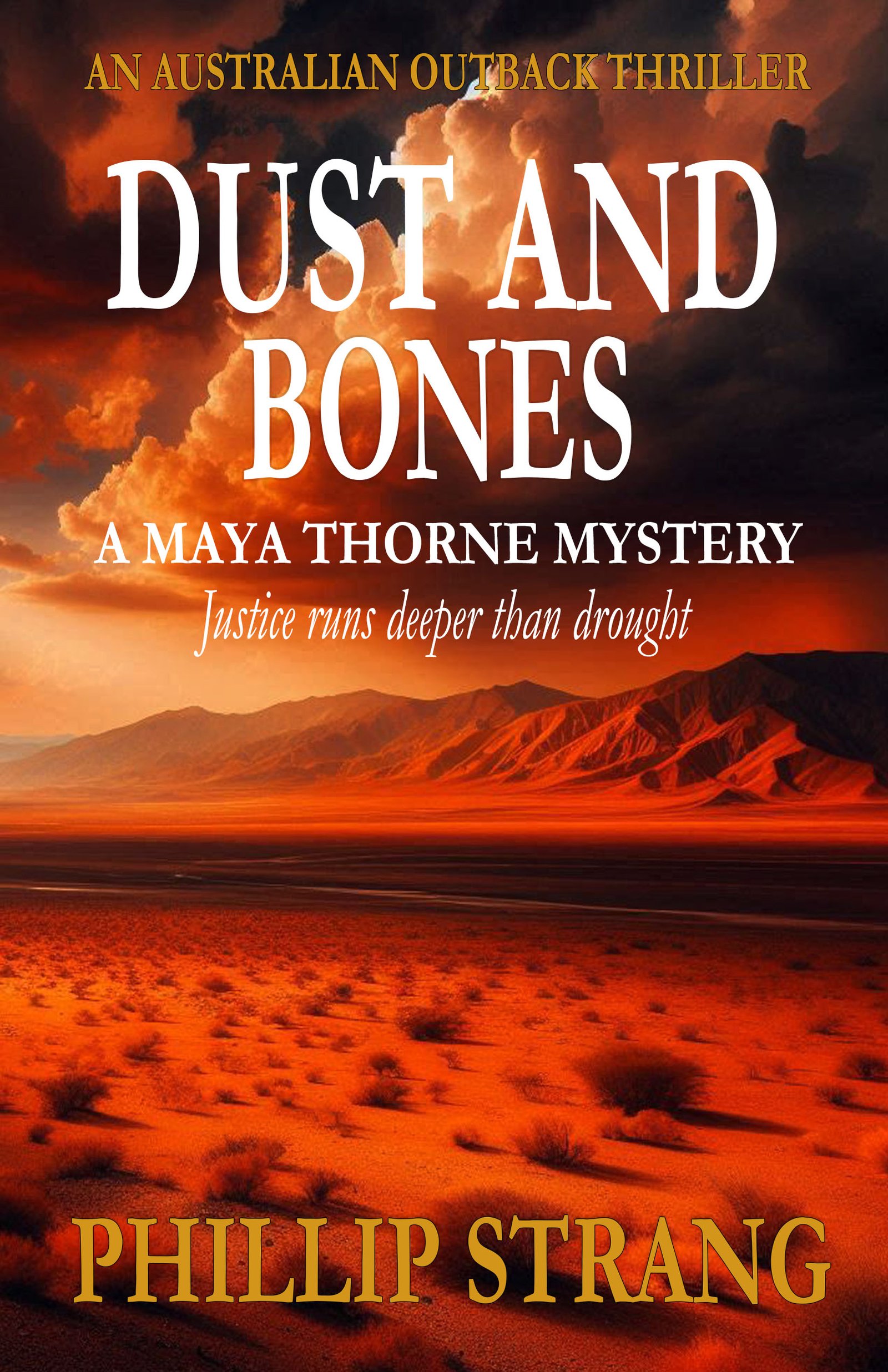
A MAYA THORNE MYSTERY
Get Dust and Bones Free
Justice runs deeper than drought.
Red dust. Shallow graves. A detective who hunts killers where the law runs thin and the nearest help is two hundred miles away.
Send Me the BookYou'll also receive occasional new release emails. Unsubscribe anytime. No spam, ever.