
Industrial Areas in Crime Fiction provide some of the most visceral and atmospheric backdrops available to crime writers. The combination of mechanical noise, chemical smells, and labyrinthine layouts creates an immediate sense of unease that domestic or office settings simply cannot match. These locations offer both practical advantages for plotting and psychological depth for character development.
Across eighteen series and more than 150 novels, I have found that industrial settings consistently deliver higher reader engagement and stronger atmospheric writing than conventional crime fiction locations. The key lies in understanding how these environments work both as physical spaces and psychological landscapes.
The Sensory Advantage of Industrial Crime Scenes
Industrial locations assault every sense simultaneously, creating immediate immersion that pulls readers into your narrative. The constant hum of machinery masks approaching footsteps. Chemical odours disguise the smell of decomposition. Steam and smoke obscure vision while metal walkways echo with every movement. This sensory overload creates natural tension without relying on contrived plot devices.
When I placed a key confrontation scene in my DCI Isaac Cook series inside a working textile mill, the industrial noise became a character in itself. The protagonist could not hear his backup approaching, while the killer used the machinery’s rhythm to time his escape. The setting drove the action rather than simply containing it.
Modern crime writers often underestimate how industrial environments can enhance dialogue scenes. Characters must speak louder, move closer, or find quiet spaces to communicate. This physical necessity creates natural intimacy or aggression depending on your story requirements.
How Industrial Areas in Crime Fiction Create Natural Obstacles
Industrial settings provide built-in complications that drive plot progression organically. Conveyor belts that cannot be stopped. Chemical processes that must run their course. Shift changes that alter witness availability. These operational realities create time pressure and limited options for both characters and investigators.
The maze-like quality of most industrial facilities offers countless opportunities for pursuit scenes, hidden evidence, and multiple escape routes. Unlike residential areas where geography is predictable, industrial zones feature vertical levels, underground tunnels, and restricted access areas that create genuine confusion for characters unfamiliar with the environment.
Safety protocols in industrial settings also provide natural restrictions. Characters wearing protective equipment cannot communicate normally. Certain areas require specific clearances or breathing apparatus. These limitations force creative solutions to investigative challenges while maintaining believability.
The Working Class Voice in Industrial Crime Writing
Industrial settings demand authentic working-class characters who understand these environments intimately. Security guards, shift supervisors, maintenance workers, and union representatives possess knowledge that outsiders lack. Their expertise becomes crucial to both the crime’s execution and its solution.
These characters speak differently than the typical crime fiction cast of lawyers, doctors, and business executives. Their dialogue reflects practical concerns, union politics, and workplace hierarchies. When I developed characters for industrial scenes in my Maya Thorne series, I spent time researching shift patterns, safety regulations, and worker relationships to ensure authenticity.
Industrial workers also possess different moral codes than white-collar characters. Loyalty to colleagues often outweighs cooperation with authorities. Understanding these dynamics is essential for creating believable witness interactions and information gathering scenes. The best police procedural novels acknowledge these cultural differences rather than ignoring them.
Avoiding Common Mistakes in Industrial Crime Settings
Many writers treat industrial areas as generic scary locations without understanding their specific operations. A pharmaceutical plant operates differently than a steel mill or shipping terminal. Each has distinct safety requirements, workflow patterns, and environmental hazards. Generic industrial descriptions immediately signal lazy research to knowledgeable readers.
Another frequent error involves ignoring the human element of industrial work. These facilities do not run themselves. People work every shift, including nights and weekends. Security systems require human monitoring. Maintenance schedules bring workers into supposedly empty areas. Writers who treat industrial locations as abandoned wastelands miss opportunities for witness interactions and alibis.
Timing mistakes also plague industrial crime scenes. Manufacturing schedules, shipping deadlines, and production quotas create predictable patterns. A killer familiar with these rhythms has significant advantages over investigators who do not understand operational cycles. Conversely, crimes committed during shift changes or emergency shutdowns create different investigative challenges.
Some writers also overemphasize the danger of industrial settings while underutilizing their investigative advantages. Modern facilities have extensive security cameras, access controls, and safety monitoring systems. These generate detailed records of personnel movement and equipment operation that can provide crucial evidence when properly researched and presented.
My Practical Approach to Industrial Crime Writing
I begin industrial crime scenes by researching the specific facility type thoroughly. Manufacturing processes, safety requirements, staffing levels, and operational schedules all influence how crimes unfold and investigations proceed. This groundwork prevents plot holes and creates authentic details that enhance credibility.
Site visits prove invaluable when possible. Walking through an active industrial facility reveals sounds, smells, and spatial relationships that photographs cannot capture. Many facilities offer public tours or have areas visible from public access points. Even viewing industrial operations from outside provides useful perspective on security measures and traffic patterns.
For my Steve Case series, I incorporated port facilities that required understanding shipping schedules, customs procedures, and cargo handling equipment. The complex logistics of container movement provided both cover for criminal activity and evidence trails for investigators. Understanding these operational details enabled plot developments that readers found both surprising and believable.
I also maintain ongoing relationships with consultants who work in various industrial sectors. A brief conversation with someone who understands chemical processing or heavy manufacturing often reveals story possibilities that pure research cannot provide. These professional insights ensure technical accuracy while suggesting plot complications I might otherwise miss.
Character development in industrial settings requires understanding workplace relationships and hierarchies. Foremen, safety coordinators, union stewards, and corporate managers all have different perspectives and loyalties. These relationships create natural conflicts and information channels that drive investigation scenes forward. The best action thriller novels exploit these tensions rather than treating all industrial workers as interchangeable background characters.
Conclusion
Industrial settings offer crime writers unparalleled opportunities for atmospheric writing, complex plotting, and authentic character development. The key lies in understanding these environments as living, working spaces rather than merely dramatic backdrops. When properly researched and authentically presented, industrial areas become integral to both crime and investigation rather than simple locations where events happen to occur.
About Phillip Strang
Phillip Strang is an Australian crime and thriller novelist. Across eighteen series and more than 150 novels, his work spans London police procedurals (DCI Isaac Cook), UK investigations (DI Tremayne), Australian outback crime (Maya Thorne), FBI thrillers (Alex Harlan), Scottish Highland mysteries (DI Sarah Lynch), and espionage (Steve Case). Learn more about Phillip or browse his complete catalogue on Amazon.
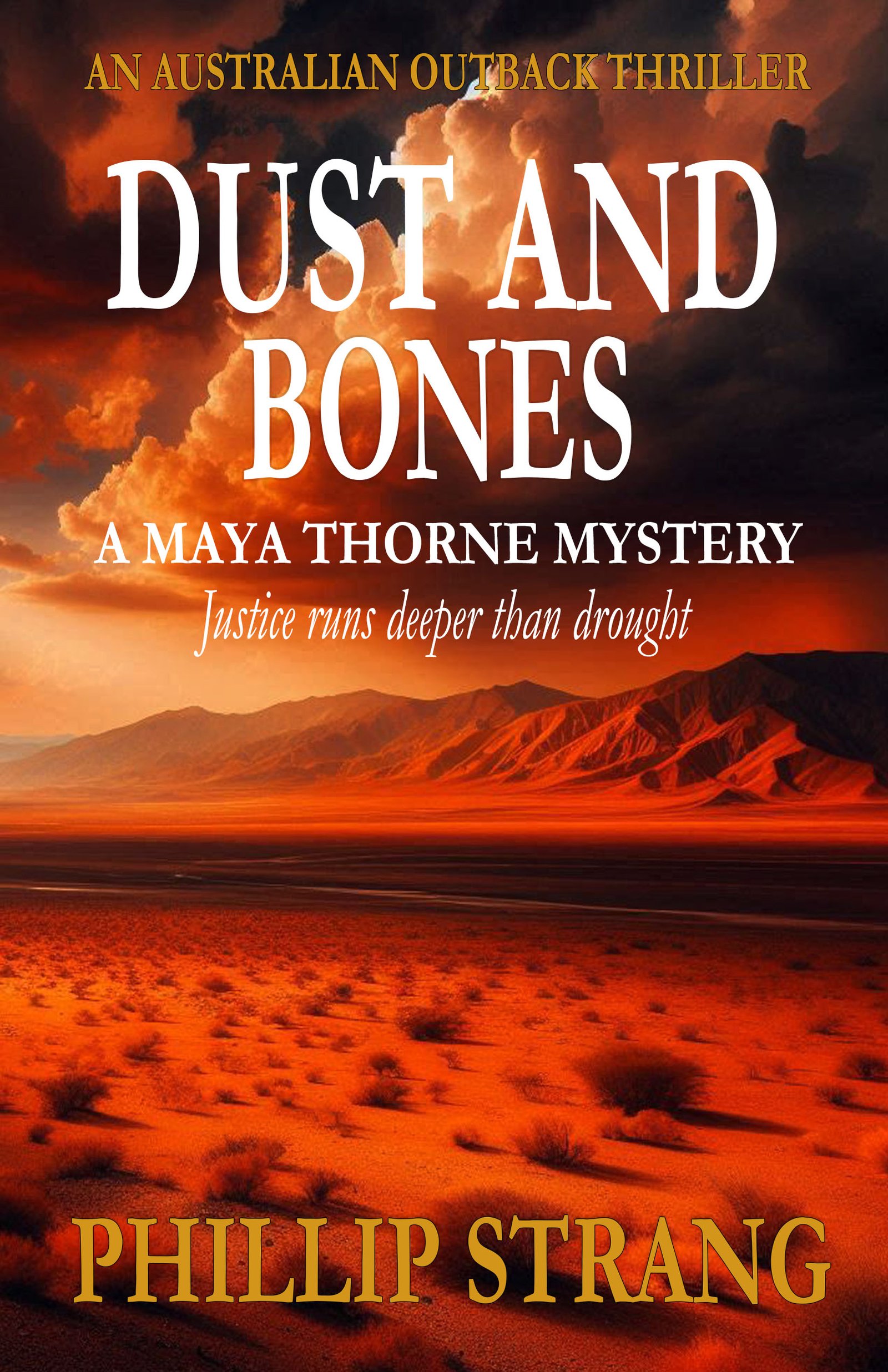
A MAYA THORNE MYSTERY
Get Dust and Bones Free
Justice runs deeper than drought.
Red dust. Shallow graves. A detective who hunts killers where the law runs thin and the nearest help is two hundred miles away.
Send Me the BookYou'll also receive occasional new release emails. Unsubscribe anytime. No spam, ever.
As an Amazon Associate, Phillip Strang earns from qualifying purchases. This page contains affiliate links — buying through them costs you nothing extra.