
Island communities offer mystery writers something no other setting can deliver: absolute isolation paired with inescapable intimacy. When you strand your detective and suspects on a piece of land surrounded by water, you create natural boundaries that transform every investigation into a pressure cooker where secrets have nowhere to hide.
The genius of island settings lies not in their exotic appeal but in their structural advantages for plot mechanics. Across eighteen series and more than 150 novels, I have found that islands force both characters and readers into a heightened state of awareness where every interaction carries weight because escape routes simply don’t exist.
The Closed Circle Perfected
Islands represent the ultimate closed circle mystery environment. Unlike country houses or remote hotels, water creates an absolute barrier that readers instinctively understand. No one leaves without a boat, plane, or bridge, and weather can eliminate these options instantly. This geographical constraint eliminates the lazy plotting that plagues too many contemporary mysteries where suspects simply disappear when convenient.
The key lies in establishing the isolation early and maintaining it consistently. Your opening chapters must make the boundaries crystal clear. Is there a single ferry that runs twice daily? A causeway that floods at high tide? A helicopter service that stops when storms roll in? These details aren’t atmospheric window dressing—they’re the mechanical gears that drive your plot forward.
I’ve found that police procedural novels benefit enormously from island settings because they eliminate the usual backup resources. Your detective can’t call for forensic teams, additional officers, or specialist equipment. They must work with what’s available on the island, creating authentic tension without contrived obstacles.
Layered Communities and Hidden Hierarchies
Island communities operate on different social rules than mainland populations. Everyone knows everyone, but that familiarity breeds complex webs of loyalty, resentment, and carefully maintained facades. Year-round residents form one layer, seasonal inhabitants another, and temporary visitors a third. Each group sees the island differently and harbors different secrets.
The social dynamics become your investigative roadmap. Long-term islanders protect their own, even when they suspect guilt. Seasonal residents often bring mainland problems that clash with island ways. Tourists remain outsiders who observe without understanding the undercurrents. Your detective must navigate these layers carefully, understanding that information flows differently in communities where reputation and relationships matter more than facts.
When developing your island community, resist the temptation to make it too small or too isolated from modern life. Even remote islands have internet access, mobile phone coverage, and regular supply deliveries. The isolation should feel authentic to contemporary readers, not like a throwback to earlier eras unless that’s your specific setting choice.
How I Approach Island Settings
My process starts with the water itself. I determine the body of water, its characteristics, and how it affects daily life on the island. Is this a tidal environment where routes appear and disappear? A deep water situation where only experienced sailors venture out? A location prone to sudden weather changes that trap people unexpectedly?
Next, I map the physical space with obsessive detail. Islands demand geographical accuracy because readers will notice inconsistencies. How long does it take to walk from one end to the other? Where are the high points that offer views? What areas remain hidden from casual observation? These details matter because your investigation will use every square meter of available territory.
The economic foundation comes third. What keeps this community alive? Fishing, tourism, agriculture, or something more unusual? The economic base determines the social structure, the types of conflicts that arise, and the resources available to your characters. A fishing island operates on different rhythms than a tourist destination, and those rhythms affect how your mystery unfolds.
Common Mistakes That Kill Island Authenticity
The biggest error involves treating islands as quaint backwaters populated by colorful locals who speak in dialect and resist change. Real island communities are complex, modern places with the same struggles as anywhere else, just compressed by geography. Making your islanders too eccentric or backward destroys credibility and insults readers who actually live in such places.
Another frequent problem involves the magical appearance of boats when the plot demands movement. If you establish that storms make water travel dangerous, don’t have characters casually hopping between islands whenever convenient. The water barriers you create must remain consistent throughout your story. Weather conditions that trap everyone in chapter three can’t mysteriously improve when you need someone to escape in chapter fifteen.
Technology presents a subtler challenge. Many writers either give their island communities impossibly perfect connectivity or cut them off entirely from modern communication. The reality lies between these extremes. Mobile coverage might be spotty in certain areas, internet speeds could be slower than urban standards, and power outages might be more common, but total isolation from technology feels artificial to contemporary readers.
The pacing trap catches many authors who assume island settings automatically create tension. Isolation alone doesn’t generate suspense—it merely provides the container. You still need genuine conflicts, credible motives, and escalating stakes. The island setting amplifies these elements but cannot replace them.
Weather as Character and Plot Device
Island weather operates as both atmospheric element and active plot participant. Storms don’t just provide moody backgrounds—they trap suspects, delay investigations, and force characters into proximity they’d normally avoid. Fog becomes a concealing curtain that allows movement while blocking observation. High tides cut off access routes at crucial moments.
The key lies in integrating weather naturally into your story’s rhythm rather than deploying it as a deus ex machina. Experienced islanders watch weather patterns constantly and plan accordingly. Your characters should demonstrate this awareness, checking forecasts, noting wind changes, and adjusting activities based on conditions. When the storm finally hits, it should feel inevitable rather than convenient.
Seasonal variations offer additional plotting opportunities. Islands in winter are vastly different places than in summer. The population changes, the activities shift, and the mood darkens. A mystery set during the transition between seasons can exploit these changes, using the natural cycle to mirror the investigation’s progression.
Maritime law adds another layer of complexity that many writers overlook. Islands often exist in jurisdictional gray areas where local authority, coast guard responsibility, and mainland police power overlap or conflict. These legal ambiguities create authentic obstacles for your detective while avoiding the contrived barriers that feel artificial to readers familiar with action thriller novels.
Conclusion
Island communities in mystery fiction succeed when the isolation serves the story rather than dominating it. The water boundary should feel natural and inevitable, the community dynamics authentic and complex, and the investigation enhanced rather than constrained by the setting. Master these elements, and you’ll discover that islands offer mystery writers an unparalleled combination of natural tension and narrative control that keeps readers engaged until the final page.
About Phillip Strang
Phillip Strang is an Australian crime and thriller novelist. Across eighteen series and more than 150 novels, his work spans London police procedurals (DCI Isaac Cook), UK investigations (DI Tremayne), Australian outback crime (Maya Thorne), FBI thrillers (Alex Harlan), Scottish Highland mysteries (DI Sarah Lynch), and espionage (Steve Case). Learn more about Phillip or browse his complete catalogue on Amazon.
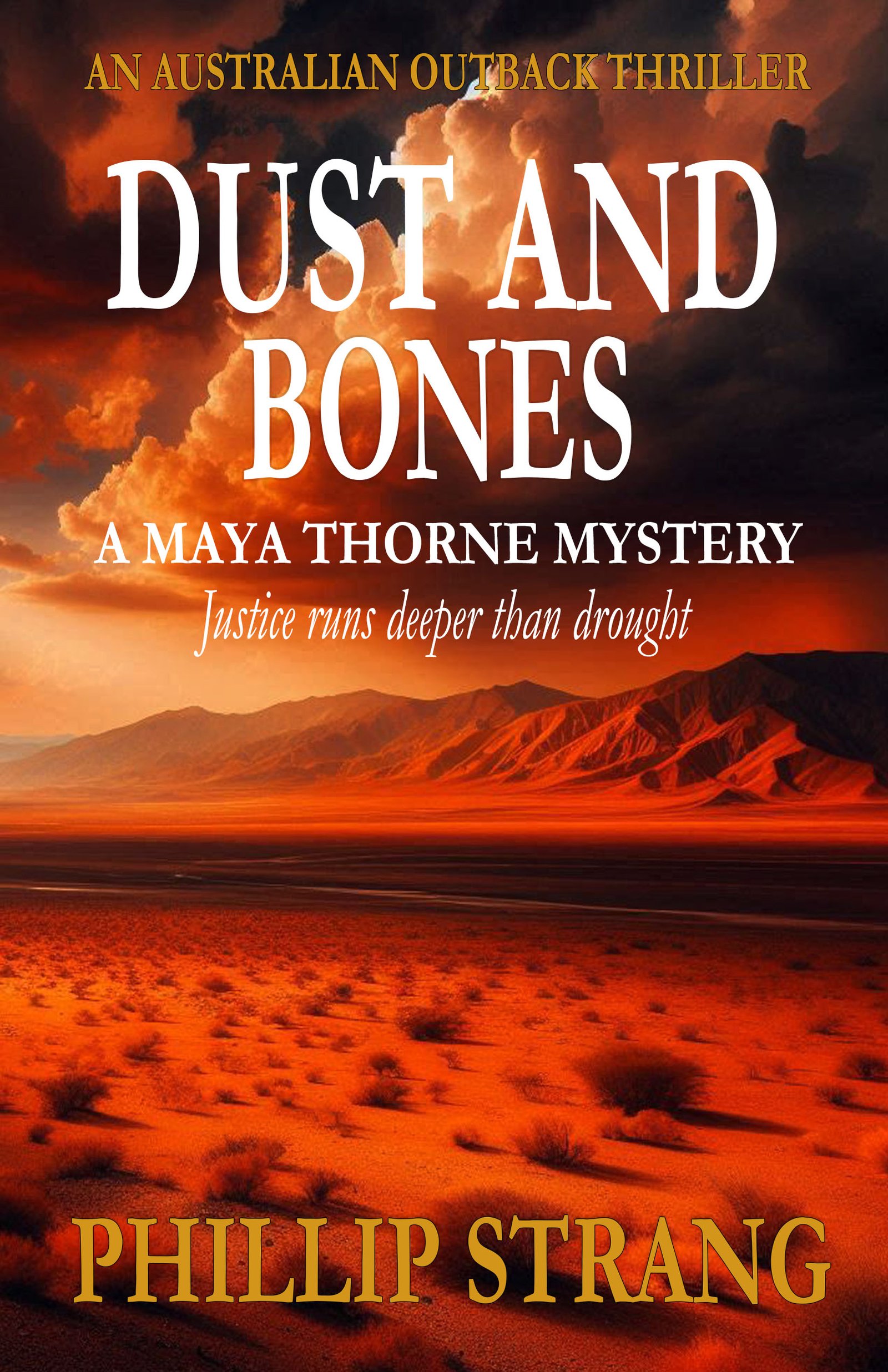
A MAYA THORNE MYSTERY
Get Dust and Bones Free
Justice runs deeper than drought.
Red dust. Shallow graves. A detective who hunts killers where the law runs thin and the nearest help is two hundred miles away.
Send Me the BookYou'll also receive occasional new release emails. Unsubscribe anytime. No spam, ever.
As an Amazon Associate, Phillip Strang earns from qualifying purchases. This page contains affiliate links — buying through them costs you nothing extra.