
Long investigation novels present unique structural challenges that digital tools simply can’t solve. When you’re tracking multiple suspects across twelve chapters, three red herrings, and two parallel investigations, the complexity demands something more tangible than scrolling through endless document files.
Across eighteen series and more than 150 novels, I’ve found that scene cards remain the most reliable method for visualising and manipulating the intricate architecture of crime fiction. They offer something no software can replicate: the ability to see your entire investigation spread across a physical surface and move pieces until the logic clicks.
The Physical Advantage Over Digital Planning
Scene cards work because they engage spatial memory in ways that screen-based planning cannot. When I’m plotting a DI Tremayne investigation, each card represents one scene, written in my shorthand: location, key characters present, evidence revealed or concealed, emotional beats, and investigation progress. The physical act of arranging these cards on my desk creates a mental map that persists even when I’m away from the workspace.
The real power emerges when you need to restructure. Digital outlines require scrolling, copying, pasting—actions that break the flow of creative problem-solving. With cards, you can grab three scenes from the middle section and test them in different positions within seconds. This speed matters when you’re chasing that elusive narrative rhythm that separates competent crime fiction from compelling crime fiction.
Cards also reveal patterns that remain hidden in linear digital formats. Spread your entire novel across a table, and you’ll immediately spot if your protagonist disappears for too long, if evidence clusters awkwardly, or if you’ve inadvertently created gaps in your investigation timeline that will frustrate readers.
My Working System for Investigation Structure
I use standard index cards, nothing fancy, but the information structure matters. Each card contains five elements: scene purpose, setting, characters present, investigation advancement, and story questions raised or answered. For DCI Isaac Cook novels, which often involve multiple crime scenes and complex forensic timelines, this system prevents the logical inconsistencies that can destroy reader trust.
The scene purpose line forces clarity about why each scene exists beyond mere plot advancement. ‘Cook interviews witness’ isn’t sufficient; ‘Cook interviews witness, establishes suspect alibi, reveals victim’s gambling debts’ provides the specificity that keeps scenes focused and prevents meandering dialogue that serves no investigative function.
I arrange cards in three rows: setup, investigation, resolution. This isn’t rigid structure but visual organisation that highlights pacing problems. If your setup row contains twelve cards and your investigation row contains four, you’ve identified a pacing issue before you’ve written a single scene. The physical layout makes these proportional problems obvious in ways that chapter outlines never do.
Color coding adds another layer of organisational power. I use blue cards for scenes featuring the primary investigation, yellow for subplot developments, red for scenes containing crucial evidence or revelations. When plotting Maya Thorne novels, which often interweave multiple mysteries across the Australian outback, this color system prevents important threads from getting lost in the complexity.
Managing Evidence Revelation and Reader Knowledge
Scene cards excel at managing the delicate balance between revealing evidence and maintaining mystery. Each card includes a note about what information becomes available to readers versus what remains hidden. This dual tracking prevents the common mistake of either revealing too much too early or withholding so much that readers feel manipulated.
The physical nature of cards makes it simple to test different revelation sequences. You can move the card containing a crucial piece of evidence to various positions in your investigation timeline, immediately seeing how each placement affects tension and reader engagement. This experimentation reveals optimal timing that feels organic rather than contrived.
Cards also help maintain consistency in character knowledge. Each card notes which characters learn what information during that scene. When you’re dealing with complex investigations involving multiple officers, witnesses, and suspects, this tracking prevents characters from knowing things they shouldn’t or forgetting things they should remember. These kinds of logic errors destroy the credibility that police procedural novels depend upon.
Avoiding Common Scene Card Mistakes
The most frequent error involves writing too much information on each card. Cards should contain keywords and phrases, not detailed scene descriptions. When you find yourself writing paragraph-length summaries on cards, you’re defeating the system’s visual clarity. ‘Sarah confronts witness about inconsistent timeline, discovers second phone, realizes victim planned meeting’ works better than lengthy explanations that make cards difficult to scan quickly.
Another mistake involves treating cards as permanent fixtures once written. The point is flexibility, yet many writers resist moving cards once they’ve established an initial sequence. This defeats the primary advantage of physical planning. Cards should move, merge, split, and occasionally get discarded entirely. If you’re not regularly rearranging cards, you’re not using the system effectively.
Writers also commonly neglect emotional beats when focusing on plot mechanics. Investigation novels require character development alongside mystery solving, and cards should track both elements. A scene that advances the investigation but provides no character insight often feels mechanical. Conversely, a scene heavy on character development but light on investigation progress can stall narrative momentum. Cards help balance these competing demands by making both elements visible simultaneously.
The final common mistake involves abandoning cards once writing begins. Cards aren’t just planning tools; they’re navigation aids throughout the writing process. As scenes evolve during writing, update the corresponding cards. New scenes that emerge organically during writing should get their own cards and proper placement in the physical layout. This ongoing relationship between planning and execution keeps complex investigations coherent across the months required to complete a novel.
Integration with Series Continuity
For series writers, scene cards become even more valuable when they include continuity notes. Each card should reference relevant information from previous books, character development arcs that continue across novels, and setup for future series installments. This information doesn’t belong in the finished scene but guides writing decisions and prevents series inconsistencies.
I maintain separate card sets for major revelations and character developments that span multiple books. These meta-cards help plan story arcs that extend beyond individual investigations while ensuring each novel works as a standalone entry. When writing becomes focused on immediate scene objectives, these continuity cards provide essential perspective on larger series architecture.
The physical aspect proves crucial for series planning because you can lay out cards from multiple books simultaneously. This reveals patterns in your series structure, helps identify repetitive plot elements, and suggests opportunities for character growth that spans multiple investigations. Action thriller novels particularly benefit from this expanded view since they often build tension across series installments rather than individual books.
Conclusion
Scene cards transform abstract story structure into concrete, manipulable elements that reveal problems and solutions invisible in digital formats. They’re not nostalgic tools but practical solutions for managing the complexity that defines compelling crime fiction. The investment in physical planning pays dividends in clearer narrative structure and more satisfying reader experience.
About Phillip Strang
Phillip Strang is an Australian crime and thriller novelist. Across eighteen series and more than 150 novels, his work spans London police procedurals (DCI Isaac Cook), UK investigations (DI Tremayne), Australian outback crime (Maya Thorne), FBI thrillers (Alex Harlan), Scottish Highland mysteries (DI Sarah Lynch), and espionage (Steve Case). Learn more about Phillip or browse his complete catalogue on Amazon.
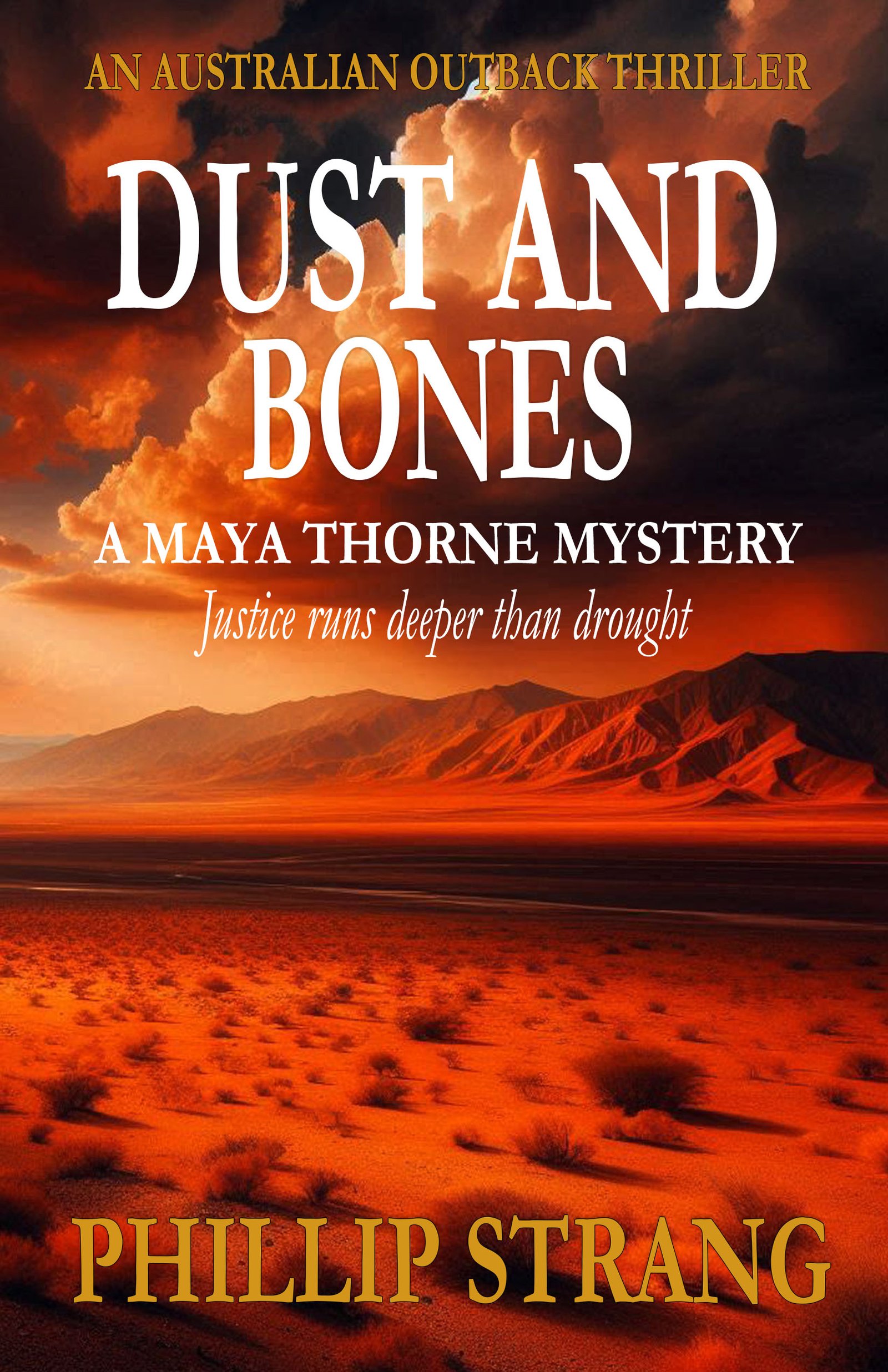
A MAYA THORNE MYSTERY
Get Dust and Bones Free
Justice runs deeper than drought.
Red dust. Shallow graves. A detective who hunts killers where the law runs thin and the nearest help is two hundred miles away.
Send Me the BookYou'll also receive occasional new release emails. Unsubscribe anytime. No spam, ever.
As an Amazon Associate, Phillip Strang earns from qualifying purchases. This page contains affiliate links — buying through them costs you nothing extra.