
Using Weather in Crime Fiction goes far beyond simply mentioning that it’s raining during a murder scene. Weather is one of the most underutilized tools in the crime writer’s arsenal, capable of creating psychological pressure, isolating characters, and even serving as a crucial plot device.
Across eighteen series and more than 150 novels, I’ve learned that weather isn’t decoration—it’s architecture. When deployed effectively, atmospheric conditions become as integral to your story as any human character.
Weather as Psychological Pressure
The mistake most writers make is treating weather as window dressing. They’ll mention a storm brewing and think they’ve added atmosphere. What they’ve actually done is wasted an opportunity to twist the psychological screws on their characters and readers alike.
Heat does more than make people sweat. It shortens tempers, clouds judgment, and creates the kind of oppressive environment where violence feels inevitable. In my Maya Thorne series, the Australian outback’s relentless heat isn’t just setting—it’s a constant source of stress that affects how characters think and act. When temperatures soar above forty degrees Celsius and there’s no escape, people make decisions they wouldn’t make in comfortable conditions.
Cold operates differently but just as effectively. It isolates, numbs both body and mind, and creates desperation. Characters become focused on survival, which can lead to moral compromises or reveal their true nature under pressure. The key is understanding that weather affects cognition, decision-making, and emotional regulation.
Isolation Through Elements
Weather is perhaps the most natural way to create the isolation that crime fiction depends on. A blizzard cuts phone lines and blocks roads more believably than any contrived circumstance. Flooding traps characters together or separates them when they need help most. Fog obscures vision and creates uncertainty about what lurks nearby.
But isolation isn’t just physical. Weather can create psychological isolation too. The constant drizzle in my DCI Isaac Cook London procedurals doesn’t just reflect the city’s climate—it mirrors the emotional state of characters dealing with urban crime’s grinding reality. That persistent dampness seeps into everything, creating a sense of being worn down that parallels the investigative process.
The crucial element is matching the type of isolation to your story’s needs. Sudden, dramatic weather events create immediate crisis situations. Gradual, persistent conditions build long-term psychological pressure. Both have their place, but they serve different narrative functions.
My Approach to Using Weather in Crime Fiction
When I’m plotting a novel, I consider weather as early as I consider characters. I ask myself what atmospheric conditions would create the maximum pressure for this particular story. Sometimes the answer is obvious—a locked-room mystery benefits from a snowstorm. Other times, it’s counterintuitive—a kidnapping during a heat wave where air conditioning becomes a weapon.
I research obsessively. Not just general climate patterns, but specific phenomena. How does wind affect sound transmission when your character needs to hear approaching danger? What happens to forensic evidence during different types of precipitation? How do extreme temperatures affect vehicle performance when your protagonist needs to escape?
In the DI Sarah Lynch series, the Scottish Highland weather isn’t randomly selected scene by scene. I map out weather patterns for the entire investigation timeline, ensuring that conditions escalate or shift in ways that complement the plot’s emotional arc. Weather becomes a subplot that intersects with the main investigation at crucial moments.
The practical side matters too. I keep detailed notes on how different weather affects everything from clothing choices to transportation options. These details anchor the reader in reality while the fictional elements unfold. When characters behave logically within weather constraints, readers trust them more when extraordinary events occur.
Common Weather Mistakes in Crime Writing
The pathetic fallacy trap catches most writers—having weather perfectly mirror emotions. It’s raining because the character is sad. Thunder crashes exactly when the murderer is revealed. This approach feels manufactured because it is. Real weather doesn’t coordinate with human drama, and readers sense the manipulation.
Another frequent error is weather without consequence. Writers will describe a raging storm then have characters move and act as if it’s a mild day. If you’re going to use dramatic weather, commit to its logical effects. That hurricane doesn’t pause for exposition or convenient phone calls.
Overwriting weather descriptions kills pacing. Some writers become so enamored with atmospheric prose they forget they’re writing a thriller. A paragraph describing morning mist might be beautiful, but if it stops forward momentum, it’s working against your story. Action thriller novels particularly suffer when writers prioritize poetic weather descriptions over narrative drive.
The opposite extreme—weather inconsistency—is equally problematic. Characters start a scene in blazing sunshine and end it soaked by rain with no transition or acknowledgment. Readers notice these disconnects, even subconsciously, and they erode story credibility.
Weather as Evidence and Plot Device
Advanced weather deployment involves making atmospheric conditions integral to the mystery itself. Rain washes away evidence but also creates new opportunities for tracking. Snow preserves footprints while making some locations inaccessible. Wind carries sounds and scents that become crucial clues.
I’ve used drought to expose long-buried secrets when water levels drop, revealing what was meant to stay hidden. Flooding forces evacuations that create opportunities for both crimes and investigations. Lightning strikes can cause power outages that serve the plot, but only if the consequences are fully developed.
The sophistication comes in layering these elements. Weather affects not just the immediate crime scene, but the investigative process, character availability, resource allocation, and timeline pressures. When multiple weather effects intersect with plot points, you create the kind of complex, realistic scenario that elevates crime fiction above simple puzzle-solving.
Consider how weather affects your antagonist’s plans as much as your protagonist’s investigation. Smart criminals adapt to weather conditions, using them as opportunities rather than obstacles. This creates a chess game between detective and criminal played across a constantly shifting atmospheric landscape.
Regional Weather as Character
Different climates create different types of stories and different investigative challenges. The techniques that work in police procedural novels set in temperate regions fail completely in desert or arctic environments. Understanding regional weather patterns isn’t just about accuracy—it’s about discovering story opportunities that exist nowhere else.
Monsoons, tornadoes, dust storms, ice storms—each creates unique constraints and possibilities. The key is understanding these phenomena deeply enough to use them authentically while exploiting their dramatic potential. Readers from those regions will spot inaccuracies immediately, but when you get it right, they become your most enthusiastic advocates.
Seasonal changes offer long-term story arcs. A case that begins in autumn and extends through winter creates natural progression and escalation. The changing conditions force characters to adapt repeatedly, preventing the story from settling into comfortable patterns.
Conclusion
Weather in crime fiction succeeds when it serves multiple narrative functions simultaneously—creating atmosphere, driving plot, revealing character, and maintaining authenticity. It’s not enough to check the meteorology box; weather must earn its place in your story through active contribution to the reader’s experience.
About Phillip Strang
Phillip Strang is an Australian crime and thriller novelist. Across eighteen series and more than 150 novels, his work spans London police procedurals (DCI Isaac Cook), UK investigations (DI Tremayne), Australian outback crime (Maya Thorne), FBI thrillers (Alex Harlan), Scottish Highland mysteries (DI Sarah Lynch), and espionage (Steve Case). Learn more about Phillip or browse his complete catalogue on Amazon.
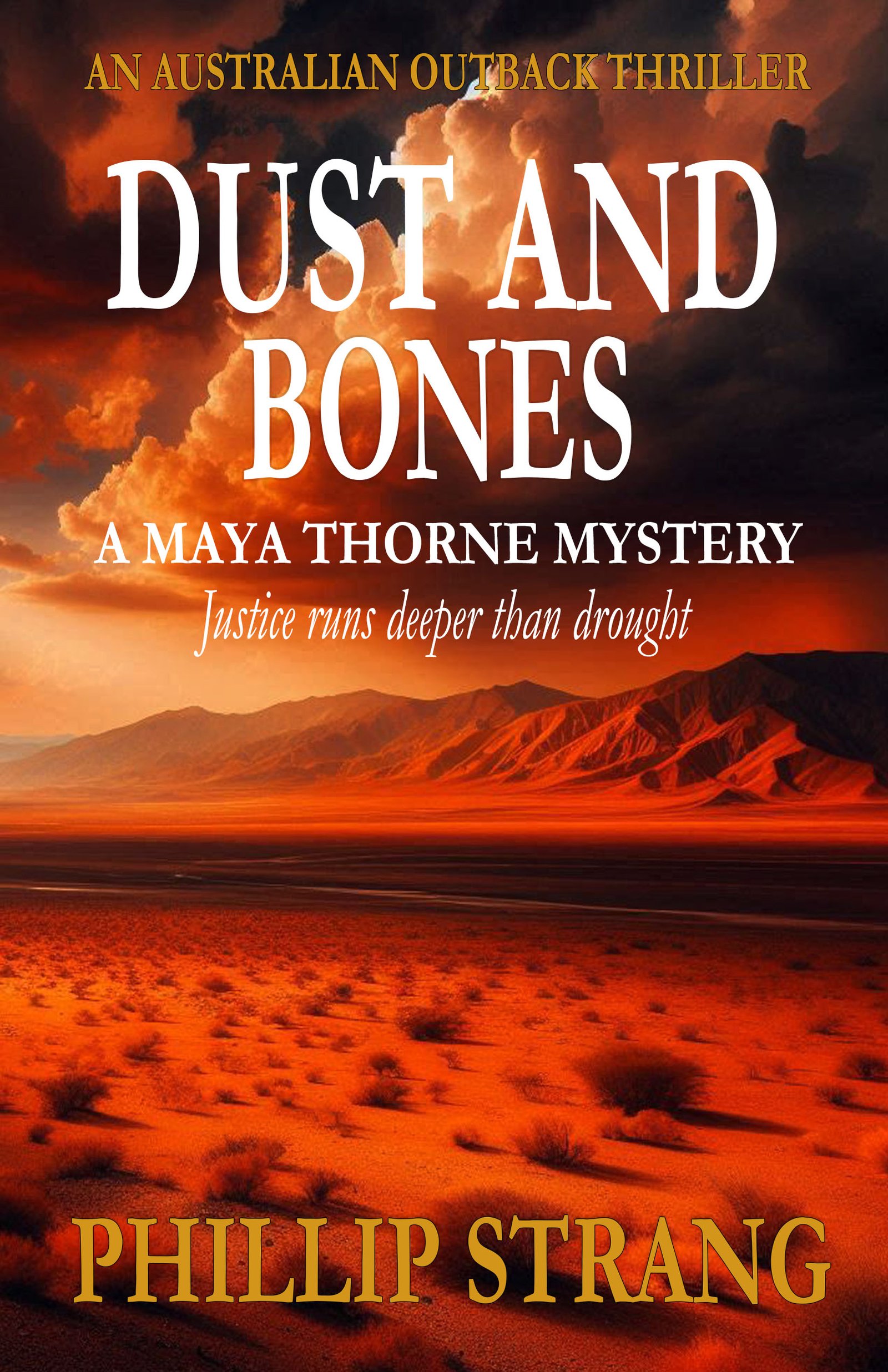
A MAYA THORNE MYSTERY
Get Dust and Bones Free
Justice runs deeper than drought.
Red dust. Shallow graves. A detective who hunts killers where the law runs thin and the nearest help is two hundred miles away.
Send Me the BookYou'll also receive occasional new release emails. Unsubscribe anytime. No spam, ever.
As an Amazon Associate, Phillip Strang earns from qualifying purchases. This page contains affiliate links — buying through them costs you nothing extra.