
The false lead scene presents one of crime fiction’s most delicate balancing acts: how do you send your protagonist down a dead-end path without making readers feel cheated? Every investigative thriller depends on misdirection, but the difference between sophisticated plotting and reader frustration lies in execution.
Across eighteen series and more than 150 novels, I have found that the most effective false lead scenes serve multiple purposes beyond simple misdirection. They reveal character, advance themes, and deepen the world of your story while simultaneously leading your detective astray.
The Functional False Lead: Beyond Simple Misdirection
A false lead should never exist solely to waste your protagonist’s time. Each dead end must contribute something meaningful to your narrative architecture. In my DI Tremayne series, I frequently use false leads to expose the social underbelly of seemingly respectable communities. When Tremayne follows a suspect who turns out to be innocent, that investigation still reveals corruption, secrets, or moral compromises that enrich the story’s texture.
The key lies in ensuring your false lead illuminates truth, even if it’s not the truth your detective seeks. Your protagonist might pursue the wrong suspect but uncover the right insight about human nature, institutional failure, or the community where your crime occurred. This approach transforms what could feel like narrative wheel-spinning into essential story development.
Character Development Through Dead Ends
False leads offer exceptional opportunities for character revelation under pressure. How does your protagonist react when their carefully constructed theory collapses? Do they become defensive, self-reflective, or more determined? These moments of professional failure often produce the most authentic character growth.
In my experience writing police procedural novels, the false lead scene becomes a crucible for testing your detective’s methodology, temperament, and resilience. Isaac Cook’s tendency to pursue hunches despite contradictory evidence has led him down numerous false paths, but each wrong turn has revealed something essential about his investigative psychology and personal demons.
The suspect who turns out to be innocent can still serve your story by forcing your protagonist to confront their assumptions, biases, or blind spots. Perhaps your detective realizes they’ve been projecting their own trauma onto the case, or maybe they discover they’ve underestimated the complexity of the criminal mind they’re pursuing.
My Practical Approach to Crafting False Leads
When I’m plotting a false lead sequence, I start by identifying what secondary purpose it will serve beyond misdirection. I ask myself: what does my protagonist need to learn about themselves, the case, or the world they’re investigating? Then I construct the false lead to deliver that insight while maintaining the illusion of forward progress.
I also ensure that clues pointing toward the false lead feel organic rather than artificially planted. The evidence should be compelling enough that reasonable investigators would pursue it, but it should emerge naturally from the story’s circumstances. Forced coincidences or convenient witness testimonies that later prove false will undermine reader trust.
Timing becomes critical here. Place your false lead too early, and it feels like padding. Too late, and it disrupts narrative momentum when readers are expecting resolution. I typically position major false leads at the story’s midpoint or during the transition between the second and third acts, when readers expect complications but haven’t yet committed to a final theory.
Common Pitfalls That Destroy Reader Trust
The most damaging mistake involves withholding information from readers that would obviously contradict the false lead. If your protagonist has access to evidence that clearly exonerates their suspect, but you hide it from readers to maintain the misdirection, you’ve broken the fair play contract essential to crime fiction. Readers should be able to follow your detective’s logic, even when that logic proves flawed.
Another frequent error is the false lead that serves no purpose beyond confusion. I’ve seen manuscripts where protagonists chase red herrings that reveal nothing about character, theme, or the actual crime. These sequences feel like authorial manipulation rather than natural story development. When readers sense you’re wasting their time, they’ll lose patience with your entire narrative.
The abrupt dismissal represents another trust-breaking mistake. When your false lead collapses, it shouldn’t vanish completely from your story. If the suspect was compelling enough to merit sustained investigation, their innocence should still matter to your plot. Perhaps they become an ally, a witness, or a victim. Complete disappearance suggests they were never really part of your story’s world.
Finally, avoid the false lead that depends on character stupidity. Your protagonist might be wrong, but they shouldn’t be incompetent. The evidence should genuinely point toward the false suspect, even if later revelations recontextualize that evidence. Readers need to believe that reasonable investigators would make the same choices as your protagonist.
Advanced Techniques for Meaningful Misdirection
The most sophisticated false leads create what I call ‘productive wrongness’—investigations that fail to identify the culprit but succeed in advancing the story’s deeper concerns. In my Maya Thorne series, set in the Australian outback, false leads often expose the environmental and social tensions that provide context for the actual crimes.
Consider layering your false leads to create cascading revelation. Perhaps pursuing the wrong suspect uncovers evidence that points toward a different wrong suspect, who finally leads to the actual perpetrator. This technique, common in espionage thrillers, maintains forward momentum while building complexity.
Another advanced approach involves the half-false lead—a suspect who is guilty of something significant, just not the crime your protagonist is investigating. This technique satisfies the reader’s need for justice while maintaining plot surprise. Your detective’s instincts weren’t completely wrong; they were simply focused on the wrong crime.
The Emotional Landscape of Dead Ends
Don’t neglect the emotional impact of false leads on your characters and readers. Disappointment, frustration, and renewed determination all create opportunities for deeper character work. Your protagonist’s reaction to dead ends should reflect their personality and professional experience.
Veteran detectives might take false leads in stride, while inexperienced investigators could become rattled or obsessive. These emotional responses can drive character development and create internal conflict that enriches your story beyond the central mystery.
Remember that readers invest emotionally in the leads they follow alongside your protagonist. When those leads prove false, acknowledge that investment rather than dismissing it. The suspect your readers suspected alongside your detective should receive proper resolution, even if that resolution confirms their innocence.
Conclusion
Writing effective false lead scenes requires balancing misdirection with meaningful development. When every dead end serves character, theme, or world-building while maintaining logical investigative flow, your false leads become essential story elements rather than mere plot devices.
About Phillip Strang
Phillip Strang is an Australian crime and thriller novelist. Across eighteen series and more than 150 novels, his work spans London police procedurals (DCI Isaac Cook), UK investigations (DI Tremayne), Australian outback crime (Maya Thorne), FBI thrillers (Alex Harlan), Scottish Highland mysteries (DI Sarah Lynch), and espionage (Steve Case). Learn more about Phillip or browse his complete catalogue on Amazon.
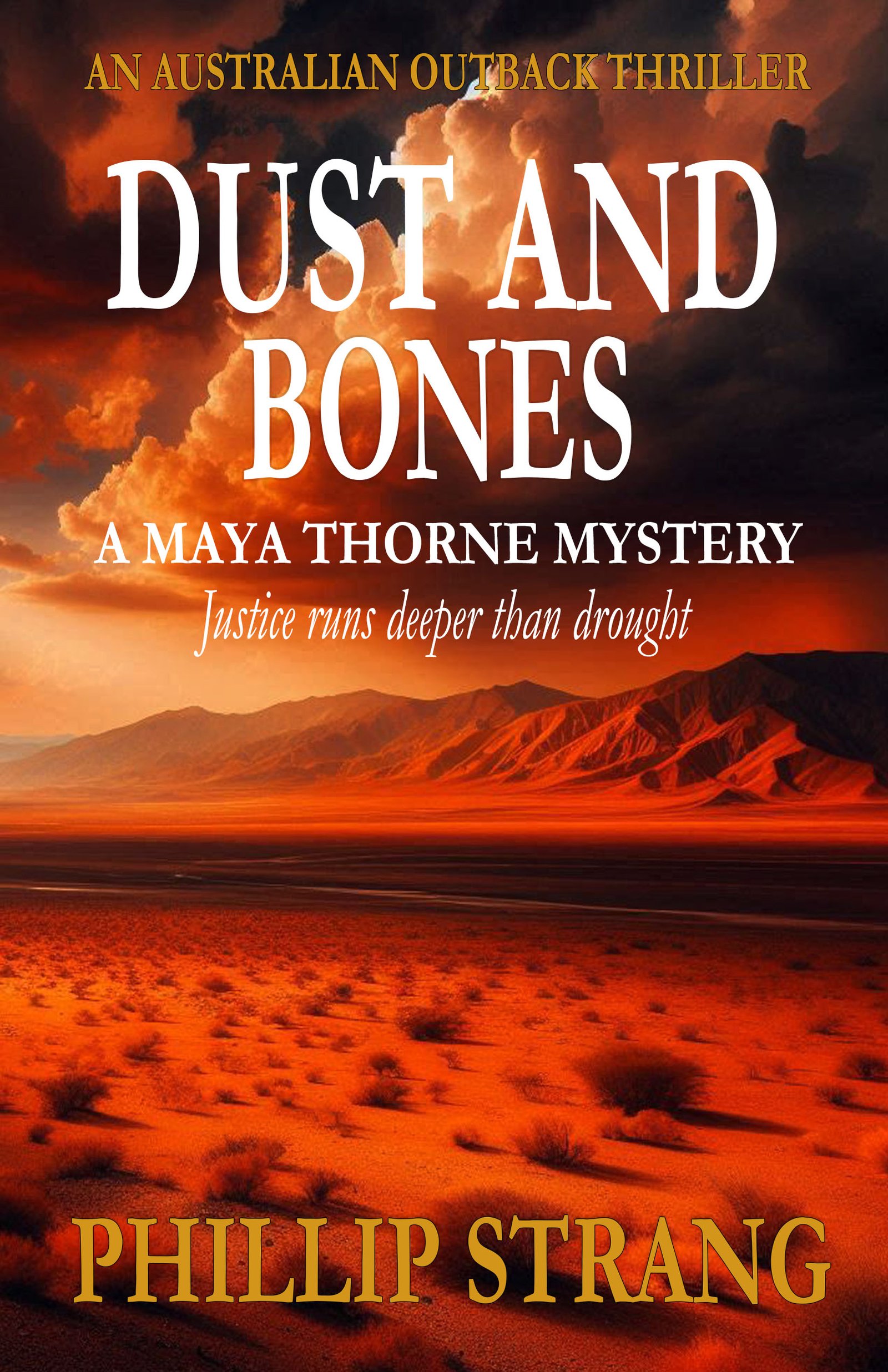
A MAYA THORNE MYSTERY
Get Dust and Bones Free
Justice runs deeper than drought.
Red dust. Shallow graves. A detective who hunts killers where the law runs thin and the nearest help is two hundred miles away.
Send Me the BookYou'll also receive occasional new release emails. Unsubscribe anytime. No spam, ever.
As an Amazon Associate, Phillip Strang earns from qualifying purchases. This page contains affiliate links — buying through them costs you nothing extra.