
The tension between procedural authenticity and narrative drive sits at the heart of every police procedural worth reading. Real police work involves mountains of paperwork, hours of waiting, and bureaucratic frustrations that would kill any story’s momentum, yet readers expect the ring of truth in how investigations unfold. The challenge lies in capturing the essence of genuine procedure while maintaining the pace and engagement that keeps pages turning.
Across eighteen series and more than 150 novels, I have found that the most successful police procedurals achieve this balance through selective authenticity—choosing which elements of real procedure serve the story and which must be streamlined or reimagined for dramatic effect. The key is understanding what your readers need to believe versus what actually happens in a real investigation.
The Foundation: Research That Actually Matters
Effective research for police procedurals goes beyond riding along with officers or reading training manuals, though both have value. The most useful research focuses on understanding the emotional and psychological pressures of police work rather than memorizing every regulation. When I developed DCI Isaac Cook for my London-based series, I spent more time understanding how budget cuts affect morale and case allocation than learning the exact wording of Miranda rights equivalents.
What matters most is getting the hierarchy right, understanding jurisdictional limitations, and grasping how different types of cases flow through the system. Readers will forgive compressed timelines and streamlined procedures, but they’ll spot incorrect rank structures or unrealistic interdepartmental cooperation immediately. The goal is creating a believable framework within which your fictional investigation can operate, not reproducing actual police work in all its mundane detail.
Focus your research on pressure points: budget constraints, political interference, media attention, and internal politics. These elements create natural conflict and obstacles that serve your story while maintaining authenticity. A detective frustrated by lack of resources makes for better reading than one with unlimited time and personnel, and it reflects reality more accurately.
Balancing Procedure with Pacing
Real investigations involve extensive background checks, witness interviews that yield nothing useful, and false leads that consume weeks of work. Your fictional investigation needs the flavor of this process without the tedium. The solution is selective compression: show the important procedural steps while suggesting the routine work happens off-page.
I handle this in my DI Tremayne series by focusing on the moments where procedure intersects with character development or plot advancement. When Tremayne follows up on witness statements, I show the interviews that reveal character motivations or advance the investigation, while mentioning that he and his team conducted twenty other interviews that eliminated suspects or confirmed alibis. This approach maintains procedural credibility while keeping the story moving.
The key is identifying which procedural elements serve multiple purposes. A forensic examination scene can advance the plot, reveal character traits, and demonstrate proper procedure simultaneously. A briefing with superiors can show hierarchy, introduce political pressure, and provide exposition about case progress. Every scene should justify its inclusion by serving the story as well as maintaining authenticity.
How I Actually Approach Writing Procedurals
My process starts with the crime itself and works backward through likely investigative steps, then forward through how those steps would realistically unfold. I map out what evidence would actually be available, what witnesses might realistically remember, and what procedural obstacles would genuinely arise. This creates a foundation of authentic investigation flow.
Then I identify where story needs diverge from realistic procedure. Maybe the forensic results need to come back faster, or a witness needs to be more forthcoming than people typically are with police. I make these adjustments consciously, understanding what I’m changing and why. The goal is maintaining the feel of authentic procedure while serving story requirements.
For each investigation, I create what I call a ‘procedure skeleton’—the basic steps any competent detective would follow—then flesh it out with character-specific approaches and story-serving complications. In my police procedural work, this skeleton ensures I don’t skip obvious investigative steps while allowing flexibility for dramatic purposes.
I also maintain consistency files for each series, tracking how my fictional departments operate, what resources they have, and what limitations they face. This prevents continuity errors and helps maintain the believable world I’ve created across multiple books.
Common Procedural Pitfalls to Avoid
The most frequent mistake in procedural writing is the lone wolf detective who ignores protocol and solves cases through individual brilliance. Real police work is collaborative, involving multiple officers, specialists, and support staff. A detective who consistently works alone and bends rules might make for dramatic television, but it creates authenticity problems in novel-length narratives where such behavior would have consequences.
Another common error is misunderstanding jurisdictional limitations. Local police can’t simply take over federal cases, and departments have specific geographic and legal boundaries. Having your city detective suddenly investigate crimes outside their jurisdiction without proper procedures destroys credibility with readers who understand how law enforcement actually works.
Technology presents particular challenges. Writers often either ignore modern investigative tools or misrepresent their capabilities. DNA analysis isn’t instantaneous, security cameras have gaps in coverage, and digital forensics takes time. Conversely, some writers underestimate what technology can accomplish, creating investigations that feel dated. The solution is understanding current capabilities while acknowledging realistic limitations and timeframes.
Perhaps most damaging is inconsistent internal logic. If you establish that your fictional department has certain procedures or limitations, you must maintain them throughout the series. Readers notice when previously established rules get ignored for plot convenience, and such inconsistencies undermine the believable world you’ve worked to create.
Character Development Within Procedural Framework
The procedural framework provides excellent opportunities for character development, but only if you understand how different personality types respond to structured environments. Some officers thrive within established procedures, while others chafe against regulations. This tension between individual character and institutional requirements creates natural conflict and growth opportunities.
In developing characters for my various series, I consider how their backgrounds and personalities affect their approach to procedure. A detective with military background might embrace chain of command differently than one who came up through civilian law enforcement. These differences create character-specific investigation styles while maintaining overall procedural authenticity.
The key is showing character through professional behavior rather than despite it. How does your detective handle difficult witnesses? Do they follow up personally on every lead, or delegate effectively? Are they meticulous with paperwork or constantly behind on reports? These procedural details reveal character while maintaining story authenticity.
Remember that police officers are people first, professionals second. They have personal problems, political opinions, and emotional responses that affect their work. The most effective character-driven procedurals show how personal and professional lives intersect, creating complex individuals who happen to work in law enforcement rather than cardboard professionals who occasionally show human traits.
Maintaining Reader Engagement Throughout Investigation
Reader engagement in procedurals comes from understanding the stakes at each stage of investigation. Early scenes establish urgency and importance, middle sections maintain momentum through complications and discoveries, while later scenes build toward resolution. The procedural framework provides natural structure for this progression, but only if you understand how to use it dramatically.
Each procedural step should either advance the plot, develop character, or increase tension. Ideally, it accomplishes all three simultaneously. A witness interview might provide new information, reveal the detective’s interviewing style, and increase pressure by introducing time constraints or political complications. This multifunctional approach keeps readers engaged while maintaining procedural authenticity.
Vary the types of investigative activities to maintain interest. Mix forensic examination with witness interviews, surveillance with paperwork, field investigation with office politics. This variety reflects real police work while preventing repetitive scenes that lose reader attention. The investigation should feel comprehensive without becoming tedious.
Consider incorporating elements from action thrillers when appropriate, but ensure such scenes grow naturally from procedural investigation. A surveillance operation might turn dangerous, or serving a warrant might encounter unexpected resistance. These moments provide excitement while remaining grounded in realistic police work.
Conclusion
Successful police procedurals balance authentic investigation methods with compelling storytelling through selective focus on procedural elements that serve narrative purposes. Understanding real police work provides the foundation, but knowing what to emphasize, compress, or modify for dramatic effect separates effective procedural writing from documentary reporting. The goal is creating believable fictional investigations that capture the essence of police work while delivering the pacing and engagement readers expect.
About Phillip Strang
Phillip Strang is an Australian crime and thriller novelist. Across eighteen series and more than 150 novels, his work spans London police procedurals (DCI Isaac Cook), UK investigations (DI Tremayne), Australian outback crime (Maya Thorne), FBI thrillers (Alex Harlan), Scottish Highland mysteries (DI Sarah Lynch), and espionage (Steve Case). More at https://staging.oceanyachtcrew.com/about/ and on his Amazon author page at https://www.amazon.com/author/phillipstrang.
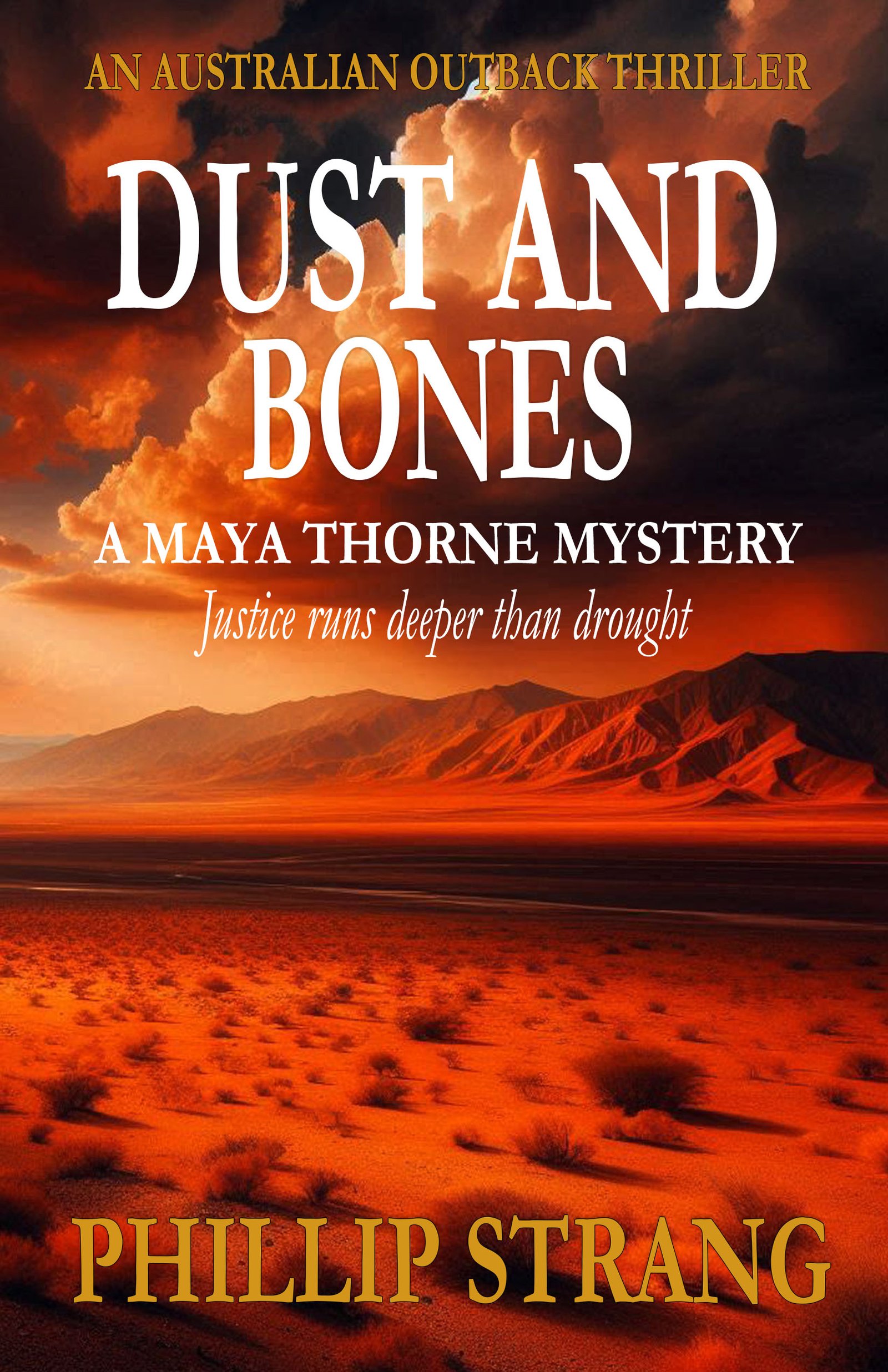
A MAYA THORNE MYSTERY
Get Dust and Bones Free
Justice runs deeper than drought.
Red dust. Shallow graves. A detective who hunts killers where the law runs thin and the nearest help is two hundred miles away.
Send Me the BookYou'll also receive occasional new release emails. Unsubscribe anytime. No spam, ever.
As an Amazon Associate, Phillip Strang earns from qualifying purchases. This page contains affiliate links — buying through them costs you nothing extra.