
Symbolism in crime fiction separates competent storytelling from memorable literature. The difference between a knife that simply kills and one that represents the severing of family bonds determines whether readers close your book satisfied or haunted. When objects, places, and recurring motifs carry meaning beyond their surface function, they transform procedural plots into psychological landscapes that linger in readers’ minds long after the case closes.
Across eighteen series and more than 150 novels, I have found that effective symbolism in crime fiction works best when it serves the investigation rather than overwhelming it. The key lies in embedding meaningful elements so naturally within the narrative that they enhance rather than interrupt the momentum of discovery and revelation.
The Strategic Placement of Symbolic Objects
Every crime scene contains objects, but only some carry the weight of meaning. The mistake many writers make is treating symbolism like literary decoration—something added after the plot mechanics are complete. Effective symbolic objects must serve dual purposes: they advance the investigation while deepening thematic resonance.
Consider the humble photograph. On its surface, it provides evidence, establishes timelines, reveals relationships. But a photograph can symbolize memory itself—how the past intrudes on the present, how truth becomes distorted through the lens of perception, how what we choose to frame reveals as much as what we exclude. In my DCI Isaac Cook series, I often use damaged photographs not just as clues but as representations of broken families or corrupted innocence.
The power of symbolic objects lies in their specificity. A generic weapon becomes forgettable, but a family heirloom used in violence carries generational weight. A corporate pen signing a confession speaks to institutional corruption. An antique key unlocking modern secrets bridges past and present. Each object must earn its symbolic weight through its integral role in both plot and theme.
Geographic Symbolism and Setting as Character
Location in crime fiction extends far beyond backdrop. The places where crimes occur, investigations unfold, and revelations emerge become symbolic landscapes that mirror the psychological terrain of both criminals and investigators. Urban decay reflects moral corruption, isolated wilderness suggests primitive violence, and pristine suburbs hide dark secrets beneath manicured surfaces.
The challenge lies in avoiding obvious correlations. Rain during funerals and sunshine during happy endings telegraph meaning rather than earning it. Instead, symbolic geography should feel inevitable—the kind of place where this particular crime could only occur, where this specific detective would naturally operate, where the resolution carries geographical as well as narrative logic.
In my Maya Thorne series set in the Australian outback, the harsh landscape becomes both antagonist and metaphor. The unforgiving terrain mirrors the brutal honesty required to solve crimes where civilization’s thin veneer disappears entirely. Remote locations force characters to confront truth without the buffers that cities provide. The outback doesn’t just host the story—it shapes the moral universe where justice operates according to different rules.
Recurring Motifs That Build Resonance
Motifs in crime fiction function like musical themes, creating patterns of meaning that accumulate power through repetition and variation. Unlike heavy-handed symbolism that announces itself, effective motifs work subconsciously, building atmospheric and thematic weight through subtle recurrence.
Water appears frequently in crime fiction—washing away evidence, reflecting distorted images, representing the unconscious depths where secrets hide. But the most effective use of water as motif involves transformation: how it changes from cleansing to corrupting, from life-giving to life-taking, depending on context and revelation. The same river that appears peaceful in chapter one becomes sinister after we learn what lies beneath its surface.
Mirrors present another powerful motif. They reflect not just physical appearance but moral duality, fractured identity, and the distortions that guilt and fear create in perception. Broken mirrors suggest shattered lives, while perfectly clean mirrors in crime scenes hint at obsessive control or narcissistic personalities. The key is consistency—once you establish a motif’s symbolic framework, every appearance should deepen rather than contradict its meaning.
Effective motifs require restraint. They should appear often enough to establish pattern but not so frequently that they become intrusive. Three to five meaningful appearances throughout a novel usually provides sufficient resonance without overwhelming the narrative flow. Each appearance should offer a slightly different angle on the central meaning, building complexity rather than mere repetition.
How I Approach Symbolic Integration
When developing symbolism for a new novel, I begin with the central theme rather than hunting for symbolic opportunities. If I’m exploring themes of inherited guilt in a family crime saga, I look for objects, locations, and motifs that naturally embody generational transmission—antiques passed down through families, ancestral homes with hidden rooms, recurring patterns of behavior that echo across decades.
The plotting stage determines symbolic placement. I map key scenes first, then consider what objects or environmental details could carry thematic weight without disrupting investigative flow. A detective’s personal item might mirror evidence found at the crime scene. A victim’s cherished possession might reflect what the killer seeks to destroy or possess. The location of the final confrontation should embody the symbolic resolution of central themes.
In my DI Tremayne series, I often use ancient landmarks and historical locations because rural England provides rich symbolic geography where past and present intersect naturally. Stone circles, ancient churches, and Roman ruins offer symbolic weight that feels organic rather than imposed. These places carry their own mythic resonance while serving practical investigative purposes—remote enough for clandestine meetings, isolated enough for violence, atmospheric enough to heighten tension.
I test symbolic elements by asking whether they enhance or distract from the core mystery. If a reader becomes so focused on decoding symbolism that they lose track of the investigation, the balance is wrong. The best symbolic elements in police procedural novels work like good film scores—felt rather than consciously noticed during the first experience.
Common Mistakes and What to Avoid
The greatest danger in symbolic writing is overexplanation. When characters begin discussing the metaphorical significance of objects or locations, the magic disappears entirely. Symbolism should operate through accumulation and suggestion, not exposition. If your detective must explain that the killer’s choice of weapon represents emasculation anxiety, you’ve failed to embed that meaning naturally within the narrative.
Borrowed symbolism creates another pitfall. Copying symbolic frameworks from famous works—ravens for death, roses for beauty, storms for emotional turmoil—produces stale metaphors that feel derivative rather than organic. Effective crime fiction symbolism emerges from the specific world you’ve created, not from general literary traditions.
Heavy-handed religious symbolism particularly plagues crime fiction. Crucifixes, biblical quotes, and obvious redemption imagery often feel imposed rather than earned. When religious elements appear in crime stories, they should reflect character psychology or cultural context rather than authorial messaging. A killer who arranges bodies in crucifixion poses reveals something about their twisted psychology, not the author’s spiritual beliefs.
Inconsistent symbolic meaning destroys reader trust. If broken glass represents shattered innocence in chapter three but simply indicates violence in chapter fifteen, the symbolic framework collapses. Once you establish a symbolic pattern, maintain its internal logic throughout the narrative. Readers may not consciously track symbolic consistency, but they sense when it breaks down.
The mistake of symbolic overkill appears when writers try to make everything meaningful. Not every object requires symbolic weight. Sometimes a gun is just a weapon, a car is just transportation, and a building is just a location. Symbolic elements gain power through selectivity—a few carefully chosen and consistently developed symbols resonate far more powerfully than symbolic saturation that exhausts readers’ interpretive energy. This restraint becomes particularly crucial in action thriller novels where pacing demands must balance with deeper meaning.
Conclusion
Symbolism in crime fiction succeeds when it deepens rather than decorates the investigative narrative. The most powerful symbolic elements feel inevitable—objects, places, and motifs so perfectly suited to their stories that readers cannot imagine the tale told any other way. When symbolism serves both plot mechanics and thematic resonance, it transforms crime fiction from entertainment into literature that haunts readers long after the final revelation.
About Phillip Strang
Phillip Strang is an Australian crime and thriller novelist. Across eighteen series and more than 150 novels, his work spans London police procedurals (DCI Isaac Cook), UK investigations (DI Tremayne), Australian outback crime (Maya Thorne), FBI thrillers (Alex Harlan), Scottish Highland mysteries (DI Sarah Lynch), and espionage (Steve Case). Learn more about Phillip or browse his complete catalogue on Amazon.
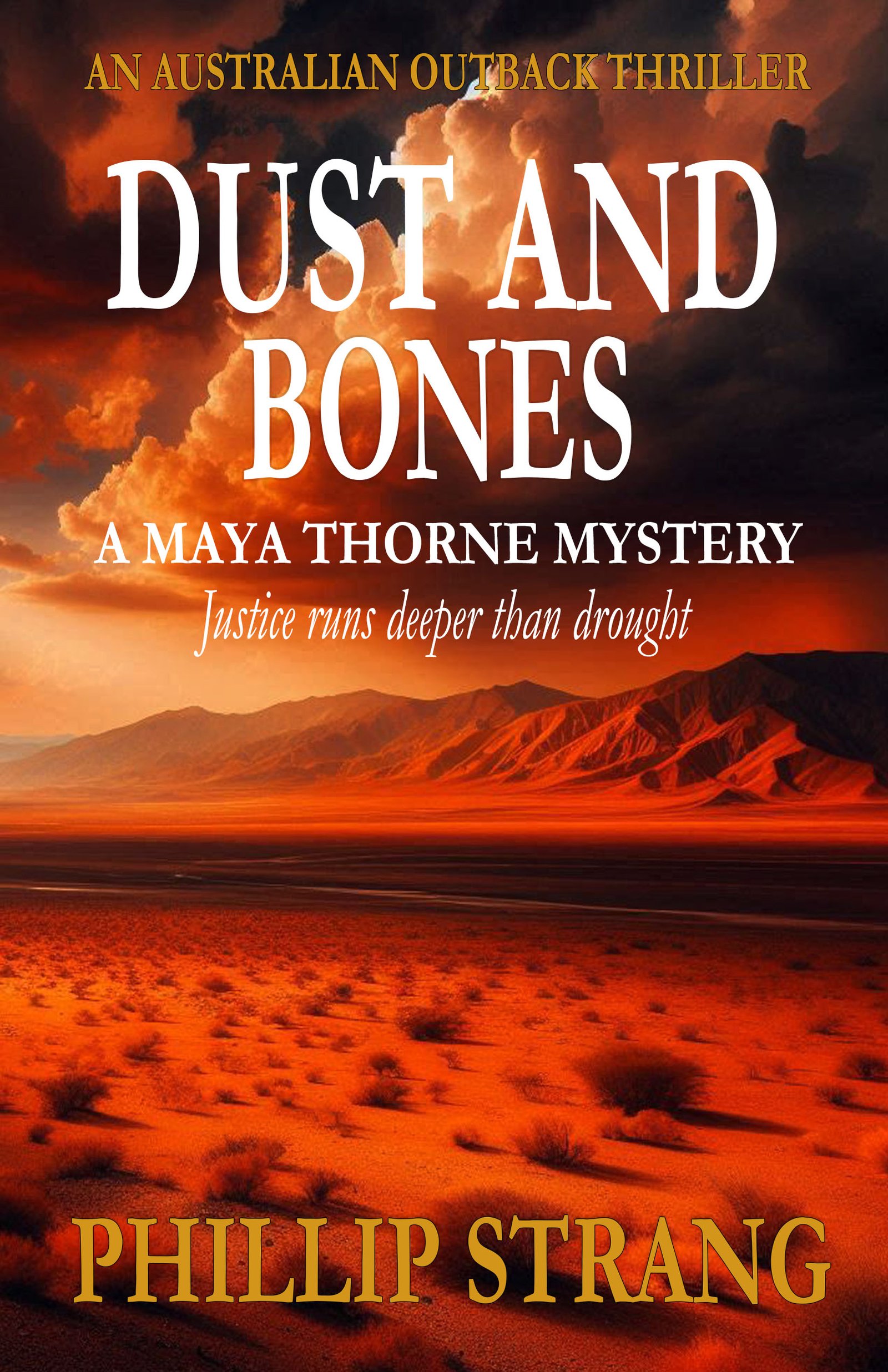
A MAYA THORNE MYSTERY
Get Dust and Bones Free
Justice runs deeper than drought.
Red dust. Shallow graves. A detective who hunts killers where the law runs thin and the nearest help is two hundred miles away.
Send Me the BookYou'll also receive occasional new release emails. Unsubscribe anytime. No spam, ever.
As an Amazon Associate, Phillip Strang earns from qualifying purchases. This page contains affiliate links — buying through them costs you nothing extra.